
Pinus Roxburghii - Chir Pine

Chir Pine

Pinus roxburghii

India

$13.00 ● In Stock

Source Data

Roxburgh Himalayan pine (lat. Pinus roxburghii)

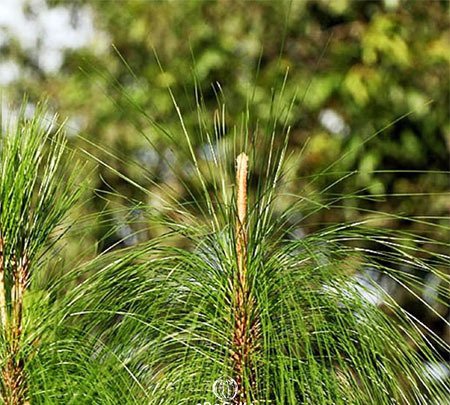
Roxburgh pine is one of the most beautiful species of coniferous trees. A tall evergreen tree up to 50 m high from the pine family. It has spreading branches and dark gray, uneven bark covered with cracks. The trunk is up to 2 meters in diameter. The needles are very long, 20-35 cm, yellow-green, very thin, triple.

The cones are conical, 12-24 cm long, initially green, then dark brown. They open very slowly the following year after ripening or when heated by forest fires. The seeds are 8-9 mm in length and are dispersed by the wind.

It is very photophilous, undemanding to soil fertility, but does not tolerate compaction well, and is sensitive to air pollution.

USDA Hardiness Zone: 8 (-12°C to -7°C).
Instructions

  1. Growing Pinus Roxburghii - Chir Pine (Pinus roxburghii) from seed is a rewarding process. Follow these guidelines for best results.
  2. Seed Preparation: Cold stratification is required. Place seeds in moist sand or vermiculite in a sealed bag and refrigerate at 1–5°C for 4–8 weeks before sowing. Some species may require 60–90 days of cold stratification for optimal germination.
  3. Sowing: Sow seeds 0.5–1 cm deep in well-draining seed compost mixed with sharp sand or perlite. Water gently and keep in a cold frame or unheated greenhouse at 18–22°C.
  4. Germination: Seeds may germinate over 2–8 weeks depending on species. Some conifers require a warm period (20°C for 4 weeks) followed by cold stratification before germination will occur.
  5. Transplanting: Transplant seedlings into individual pots once they have 2–3 pairs of true leaves. Harden off gradually over 7–10 days before planting in final position. Space according to the mature size of the species.
  6. Aftercare: Keep soil evenly moist, especially during the first growing season. Apply a layer of mulch around the base to retain moisture and suppress weeds. Protect from strong winds until established.
  7. Hardiness: Hardy in most temperate climates. Suitable for USDA zones 4–8 depending on species. Established plants can tolerate winter temperatures well below freezing.

Gallery

Reviews

No reviews yet. Be the first to review!

Write a Review

Questions & Answers

No questions yet. Ask the first!

Ask a Question