 Green Legacy Seeds
Adzuki Bean Seeds for Planting
Phaseolus vulgaris
Seeds for Planting
From India
Direct sowing means planting seeds directly in the garden or final growing location where they will mature. This is the simplest and most natural way to grow many plants, and is preferred for species that do not transplant well.
| Crop Type | Soil Temperature | Timing |
|---|---|---|
| Cool-season crops | 40-60┬░F (4-15┬░C) | 2-4 weeks before last frost |
| Warm-season crops | 60-85┬░F (15-29┬░C) | After last frost |
| Fall crops | Cooling temps | 6-8 weeks before first fall frost |
Phaseolus vulgaris
Seeds for Planting
From India

Spathodea campanulata
Seeds for Planting
From India

Phaseolus vulgaris
Seeds for Planting
From India

Crataegus azarolus
Seeds for Planting
From South Korea

Bischofia javanica
Seeds for Planting
From India
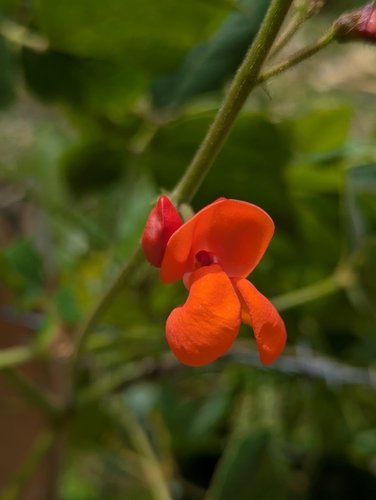
Phaseolus vulgaris
Seeds for Planting
From India
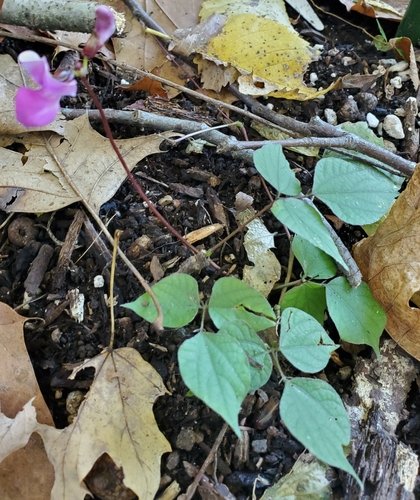
Phaseolus vulgaris
Seeds for Planting
From India
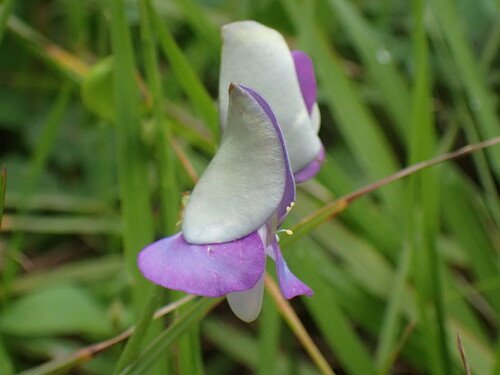
Vigna unguiculata
Seeds for Planting
From India

Ulmus parvifolia
Seeds for Planting
From South Korea

Fortunella margarita kumquat
Seeds for Planting
From South Korea
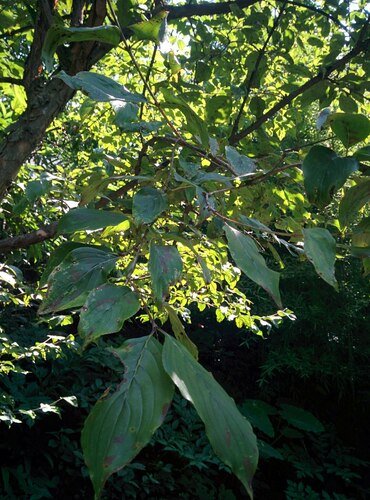
Cornus officinalis
Seeds for Planting
From South Korea

Cymbidium aloifolium
Seeds for Planting
From Thailand

Raphanus sativus
Seeds for Planting
From India

Phaseolus vulgaris
Seeds for Planting
From India

Dracaena draco
Seeds for Planting
From India

Euonymus fortunei
Seeds for Planting
From South Korea

Acer japonicum
Seeds for Planting
From South Korea

Carnegiea gigantea
Seeds for Planting
From India

Actinidia chinensis
Seeds for Planting
From India

Rosa multiflora himalayan
Seeds for Planting
From India
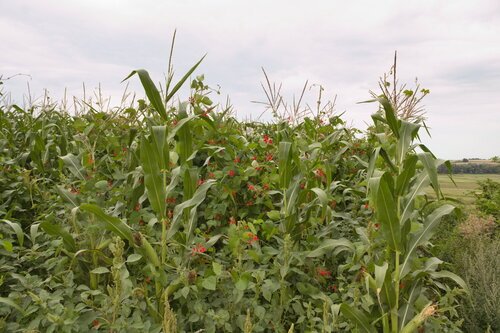
Phaseolus vulgaris
Seeds for Planting
From India

Callicarpa japonica
Seeds for Planting
From South Korea

Acer palmatum 'Dissectum Garnet'
Seeds for Planting
From South Korea

Phytolacca japonica
Seeds for Planting
From Himachal Pradesh, India

Phaseolus vulgaris
Seeds for Planting
From India

Hibiscus syriacus
Seeds for Planting
From South Korea
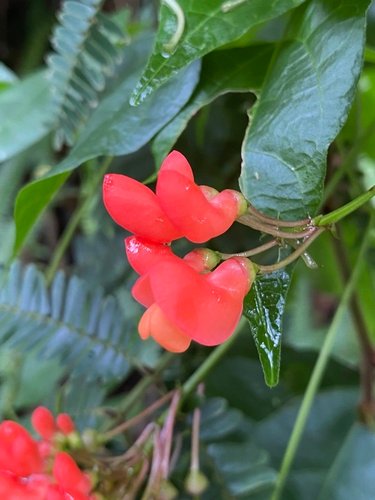
Phaseolus vulgaris
Seeds for Planting
From India

Callicarpa dichotoma
Seeds for Planting
From South Korea
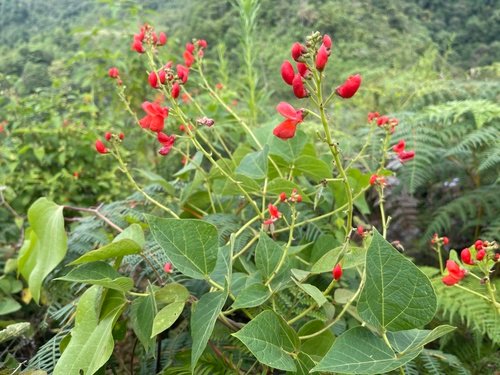
Phaseolus vulgaris
Seeds for Planting
From India
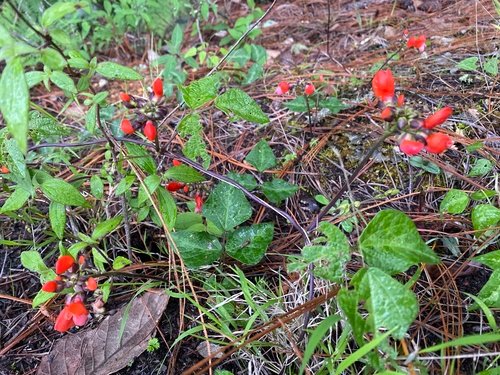
Phaseolus vulgaris
Seeds for Planting
From India

Lychnis coronaria
Seeds for Planting
From Tibet
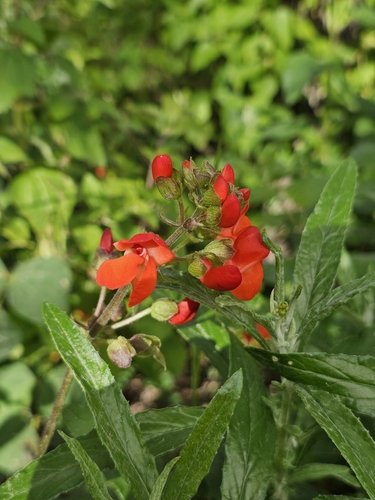
Phaseolus vulgaris
Seeds for Planting
From India

Phytolacca bogotensis
Seeds for Planting
From South Korea
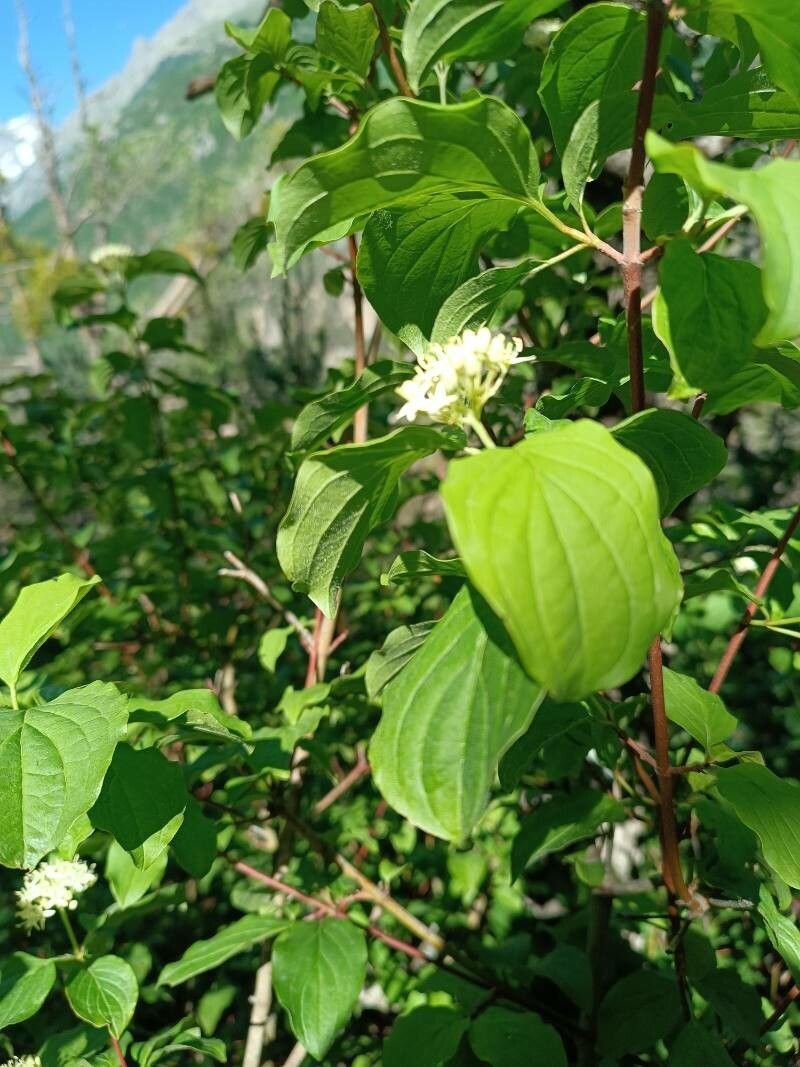
Semen Strychni
Seeds for Planting
From India

Tamarindus indica
Seeds for Planting
From Thailand

Rosa rubiginosa
Seeds for Planting
From Ladakh, India

Acer buergerianum
Seeds for Planting
From South Korea

Thuja orientalis f. aurea nana
Seeds for Planting
From South Korea

Phaseolus vulgaris
Seeds for Planting
From India

Phaseolus vulgaris
Seeds for Planting
From India
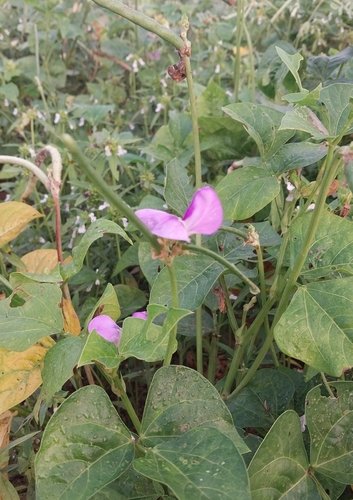
Phaseolus vulgaris
Seeds for Planting
From India
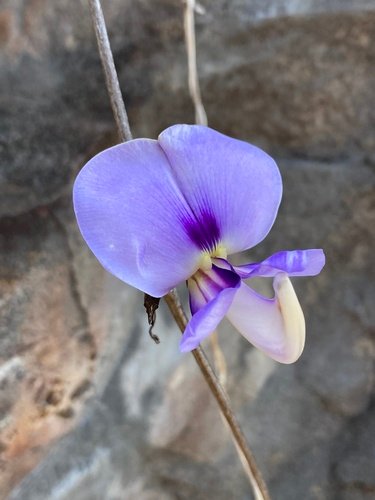
Phaseolus vulgaris
Seeds for Planting
From India