 Green Legacy Seeds
D
Duchesnea, Mock strawberry, Indian-strawberry
Potentilla indica

Vaccinium Myrtillus
Russia
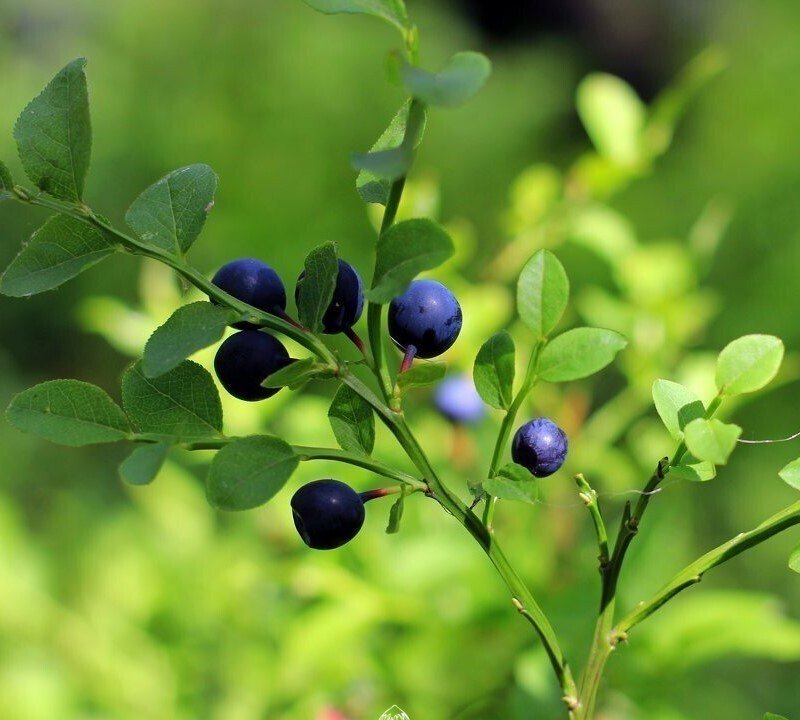
Bilberry, or common blueberry, or myrtle-leaved blueberry (lat. Vaccinium myrtillus).
A shrub 10-50 cm high. The branches extend from the main stem at sharp angles. The plant has a creeping rhizome that produces a large number of shoots.
The leaves are alternate, finely crenate-serrate, leathery, spirally arranged, elliptical. The leaves are pointed at the top, pale below, light green above, bare, thin, and fall off in winter.
Blooms in May. The flowers are greenish-white, regular, borne singly. The corolla has five cloves. The bend of the cup is indivisible. There are ten stamens. Pestle - one. Ovary inferior. The flower is tilted downwards, and this protects the pollen from dampness. The main pollinators of flowers are domestic bees and bumblebees.
The fruits are bluish-black due to a waxy coating or simply black. The inside of the berry is purple; there can be up to 40 seeds inside it.
The berries and leaves are used for medicinal purposes. Sometimes blueberries are also grown for decorative purposes.
It has little demands on humidity and is found both on the outskirts of swamps and damp forests, and in dry, clear areas. It prefers bright places, but can also grow in shaded areas, but in completely open areas it often dies completely or partially. It is more sensitive to temperature fluctuations than lingonberries and suffers from spring frosts. Prefers richer soils than lingonberries.
USDA Hardiness Zone: 4 (-34°C to -29°C).
No reviews yet. Be the first to review!
No questions yet. Ask the first!


