 Green Legacy Seeds
Very happy with my purchase. Seeds arrived fresh and well packaged.

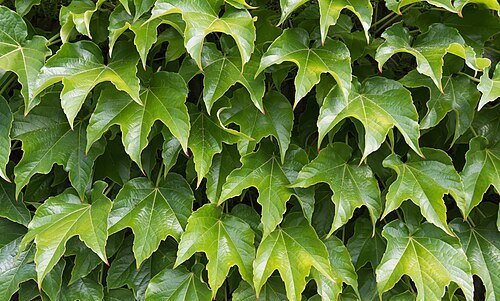
Japanese Creeper Seeds for Planting
Parthenocissus tricuspidata
From South Korea
International Shipping with Tracking Number
Processing Time: 3–7 business days.
Delivery: 10–25 business days.
Source Data
Japanese walnut, Juglans sieboldiana
Tree up to 20-23 m in height and up to 50 cm in diameter. The bark is thick, dark gray or grayish-brown with numerous deep longitudinal cracks. Young branches are thick, red-brownish-green, densely pubescent, lentils are small and numerous.
The leaves are large, 40-100 cm long, with 11-12 leaflets. The apical leaflets are lanceolate-oblong, elliptical, broadly oval or oval, often pointed, up to 12 cm long and 7 cm wide; the lateral leaflets are sessile, almost opposite, obovate-oblong or oval, pointed at the end, from 3.5 to 15 cm long and 2.5-5.5 cm wide, sharply toothed with dense stellate pubescence. Staminate catkins are 15-30 cm long.
Walnut with two longitudinal ribs, 2-4 cm long, with a hairy, sticky surface, in hanging clusters, up to 20 pieces.
Life expectancy is 200-300 years. It grows, compared to the less valuable Manchurian nut, somewhat more slowly. One of the very winter-hardy representatives of the nut family. It is distinguished by its ability to purify the air from gasoline and acetylene vapors. Therefore, this species, like other types of nuts, is especially advisable to plant in places contaminated with these secretions.
Grows well in nutritious, loose, well-drained soil.
USDA Hardiness Zone: 4 (-34°C to -29°C).
- USDA Zone
- 4
Instructions
- Growing Japanese creeper - Boston ivy - grape ivy - Japanese ivy (Parthenocissus tricuspidata) from seed is a rewarding process. Follow these guidelines for best results.
- Seed Preparation: Soak seeds in warm water for 12–24 hours before sowing to soften the seed coat. Discard any floating seeds as they are likely non-viable.
- Sowing: Sow seeds 1 cm deep in well-draining compost. Provide a support structure for young seedlings. Place in bright, indirect light at 18–22°C.
- Germination: Seeds typically germinate in 2–8 weeks. Keep soil consistently moist during germination. Once seedlings emerge, gradually increase ventilation.
- Transplanting: Transplant seedlings into individual pots once they have 2–3 pairs of true leaves. Harden off gradually over 7–10 days before planting in final position. Space according to the mature size of the species.
- Aftercare: Provide a sturdy trellis or support structure. Prune annually to maintain shape and encourage healthy growth. Mulch around the base to retain moisture.
- Hardiness: Hardiness varies by species and growing conditions. Young plants may need protection from extreme temperatures. Acclimatize gradually to outdoor conditions.
Gallery
Growing Techniques
Deep Sowing Seeds
Planting seeds at the correct depth for large seeds that need soil contact and darkness.
Surface Sowing Seeds
How to sow seeds that require light to germinate by placing them on the soil surface.
Transplanting Seedlings
How to safely move seedlings from pots to garden beds.
Watering Seeds and Seedlings
Proper watering techniques for seeds, seedlings and established plants.
Reviews 5/5 (2)
Perfect for my garden. Clear instructions and fast delivery.
Write a Review
Questions & Answers
Q: When should I fertilize these plants?
A: Begin fertilizing once true leaves appear, using a diluted liquid fertilizer at quarter strength. Feed every 2-4 weeks during the growing season. Reduce in winter.
Q: Do these seeds need stratification before planting?
A: Check the product description for specific requirements. Many tree and shrub seeds benefit from cold stratification (30-90 days in refrigerator) to improve germination rates.


