 Green Legacy Seeds
Adzuki Bean Seeds for Planting
Phaseolus vulgaris
Seeds for Planting
From India
Water is essential for seed germination and plant growth, but both overwatering and underwatering can be fatal. The key is consistency and understanding what each stage of growth requires.
| Plant Type | Watering Frequency | Amount |
|---|---|---|
| Trees (young) | Weekly | 10-15 gallons |
| Shrubs | Weekly | 5-10 gallons |
| Vegetables | Daily in heat | 1-2 inches per week |
| Container plants | Daily check | Until drainage |
Phaseolus vulgaris
Seeds for Planting
From India

Spathodea campanulata
Seeds for Planting
From India

Phoenix dactylifera
Seeds for Planting
From South Korea

Samanea saman
Seeds for Planting
From India

Rosa pendulina
Seeds for Planting
From Ladakh, India

Phytolacca americana
Seeds for Planting
From India

Ligustrum amurense
Seeds for Planting
From South Korea

Phaseolus vulgaris
Seeds for Planting
From India

Rosa villosa
Seeds for Planting
From Unknown

Withania somnifera
Seeds for Planting
From India

Casuarina equisetifolia
Seeds for Planting
From India

Vachellia nilotica
Seeds for Planting
From India

multiflora rose
Seeds for Planting
From South Korea

Perilla frutescens
Seeds for Planting
From South Korea

Trifolium alexandrinum
Seeds for Planting
From India

Vaccinium Myrtillus
Seeds for Planting
From Russia

Bischofia javanica
Seeds for Planting
From India

momordica charantia
Seeds for Planting
From India

Ribes nigrum
Seeds for Planting
From Russia

Senegalia catechu
Seeds for Planting
From India

Morus nigra
Seeds for Planting
From South Korea
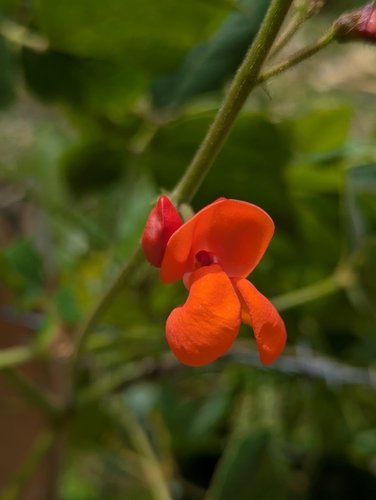
Phaseolus vulgaris
Seeds for Planting
From India
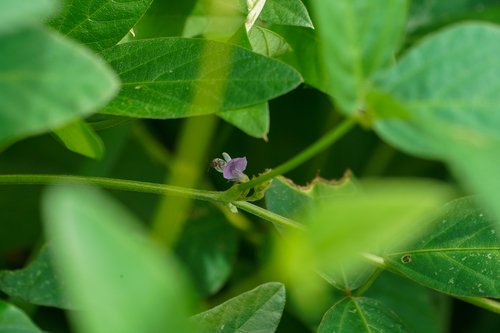
Glycine max
Seeds for Planting
From India
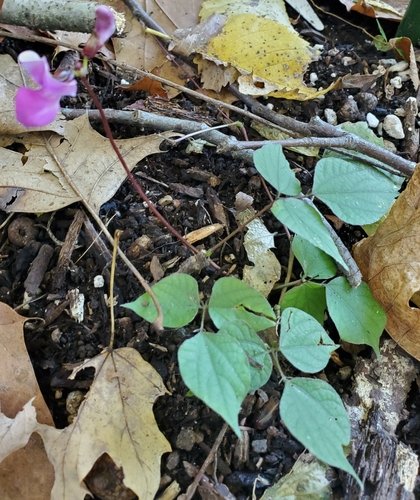
Phaseolus vulgaris
Seeds for Planting
From India
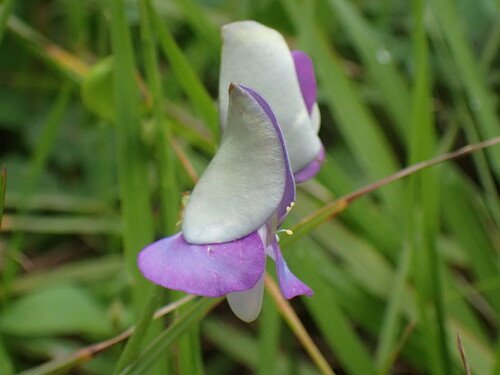
Vigna unguiculata
Seeds for Planting
From India

Cicer arietinum
Seeds for Planting
From India
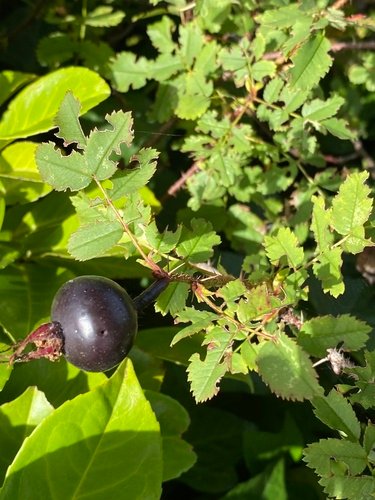
Rosa spinosissima
Seeds for Planting
From India

Euonymus alatus
Seeds for Planting
From South Korea

Cucurbita moschata
Seeds for Planting
From South Korea
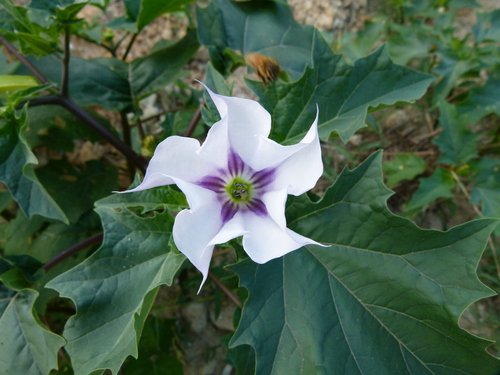
Ricinus communis
Seeds for Planting
From India

Pistacia vera
Seeds for Planting
From Tajikistan

Mesua ferrea
Seeds for Planting
From India

Vitex agnus-castus
Seeds for Planting
From India

Lycium chinense
Seeds for Planting
From South Korea

Malus hupehensis
Seeds for Planting
From South Korea

Nandina domestica
Seeds for Planting
From South Korea

Rhus chinensis
Seeds for Planting
From South Korea

Pinus roxburghii
Seeds for Planting
From India

Fortunella margarita kumquat
Seeds for Planting
From South Korea

Rubus chamaemorus
Seeds for Planting
From Russia

Ficus carica
Seeds for Planting
From India
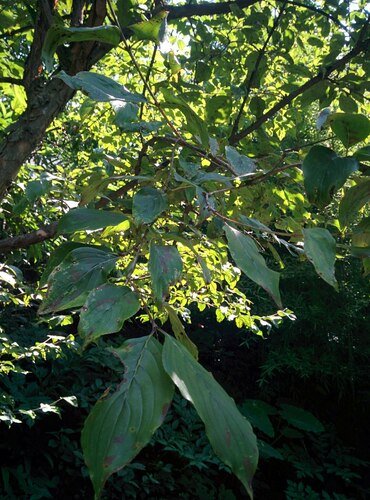
Cornus officinalis
Seeds for Planting
From South Korea

Crambe tataria
Seeds for Planting
From India

Lagerstroemia indica
Seeds for Planting
From India

Cymbidium aloifolium
Seeds for Planting
From Thailand

Raphanus sativus
Seeds for Planting
From India

Phaseolus vulgaris
Seeds for Planting
From India

Dracaena draco
Seeds for Planting
From India

Eucalyptus hybrid
Seeds for Planting
From India

Euonymus Japonicus
Seeds for Planting
From South Korea

Phoenix dactylifera
Seeds for Planting
From South Korea

Sida cordifolia
Seeds for Planting
From India

Eucalyptus tereticornis
Seeds for Planting
From India

ginkgo biloba
Seeds for Planting
From South Korea

Matricaria chamomilla
Seeds for Planting
From Eurasia

Carnegiea gigantea
Seeds for Planting
From India

Duranta erecta
Seeds for Planting
From India

Actinidia chinensis
Seeds for Planting
From India

Cassia fistula
Seeds for Planting
From India

Fragaria viridis
Seeds for Planting
From Eurasia

Berberis lycium Royle
Seeds for Planting
From Himachal Pradesh, India

Pinus wallichiana
Seeds for Planting
From Himalayas

Rosa multiflora himalayan
Seeds for Planting
From India

Corylus jacquemontii
Seeds for Planting
From India

Melia azedarach
Seeds for Planting
From India

Psidium guajava
Seeds for Planting
From India
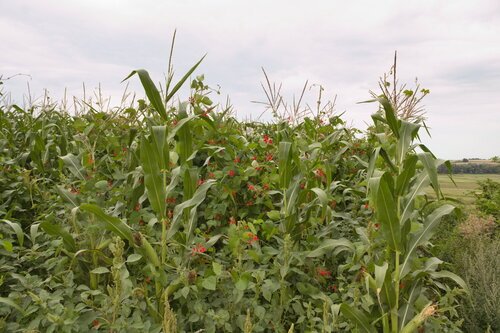
Phaseolus vulgaris
Seeds for Planting
From India

Callicarpa japonica
Seeds for Planting
From South Korea

Pinus Thunbergii
Seeds for Planting
From South Korea

cerasus serrulata
Seeds for Planting
From South Korea
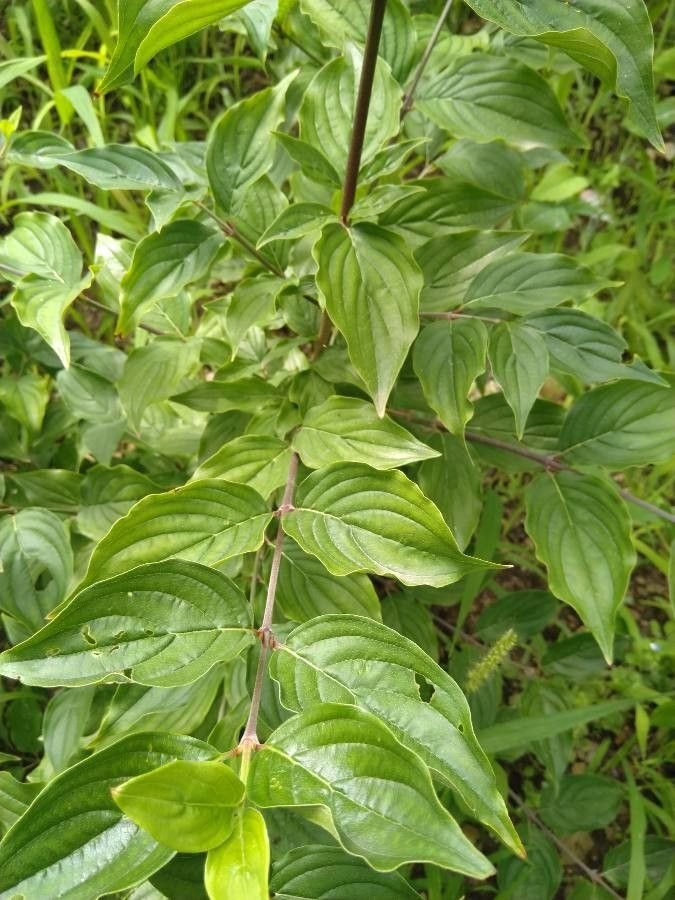
Cornus officinalis Siebold & Zucc
Seeds for Planting
From South Korea

Parthenocissus tricuspidata
Seeds for Planting
From South Korea

Acer palmatum subsp. 'Amoenum'
Seeds for Planting
From South Korea

Phytolacca japonica
Seeds for Planting
From Himachal Pradesh, India

Solanum pseudocapsicum
Seeds for Planting
From India

Phaseolus vulgaris
Seeds for Planting
From India

Phaseolus vulgaris
Seeds for Planting
From India

Andrographis paniculata
Seeds for Planting
From India

Hibiscus syriacus
Seeds for Planting
From South Korea

Acer palmatum 'Dissectum Atropurpureum'
Seeds for Planting
From South Korea

Prunus armeniaca
Seeds for Planting
From India

Chenopodium album
Seeds for Planting
From Ladakh

Lawsonia inermis
Seeds for Planting
From India

Phaseolus lunatus
Seeds for Planting
From South Korea

Viburnum dilatatum
Seeds for Planting
From South Korea

Vaccinium Vitis Idaea
Seeds for Planting
From Russia

Phoenix dactylifera
Seeds for Planting
From South Korea

Magnolia champaca
Seeds for Planting
From India
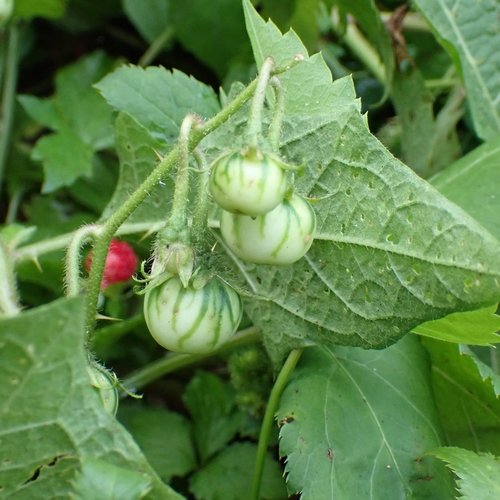
Potentilla indica
Seeds for Planting
From South Korea

Sorbus Aucuparia
Seeds for Planting
From Russia

Crataegus pinnatifida
Seeds for Planting
From South Korea

Rosa moyesii
Seeds for Planting
From Ladakh, India
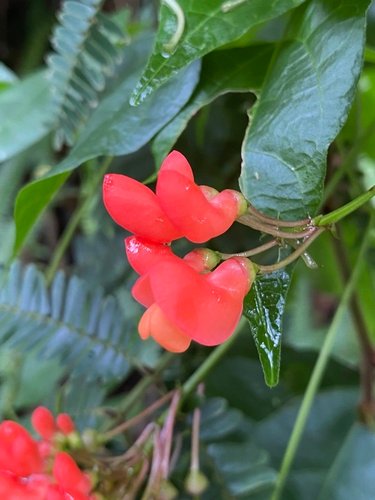
Phaseolus vulgaris
Seeds for Planting
From India

Ocimum basilicum
Seeds for Planting
From India

Caesalpinia pulcherrima
Seeds for Planting
From India
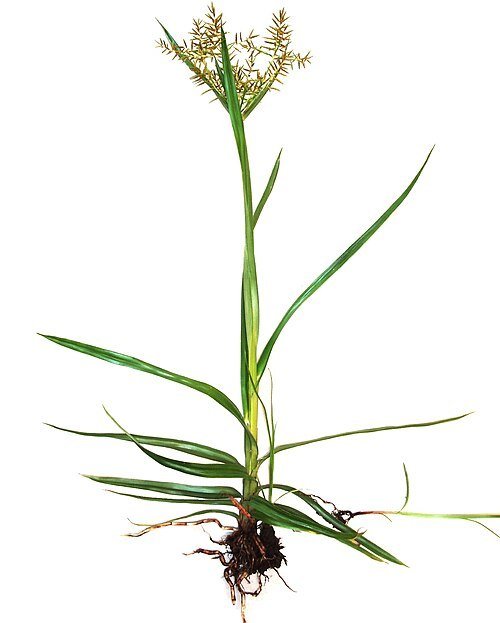
Cyprus esculentus
Seeds for Planting
From Thailand

Carya illinoinensis
Seeds for Planting
From India

Sesbania bispinosa
Seeds for Planting
From India

Callicarpa dichotoma
Seeds for Planting
From South Korea
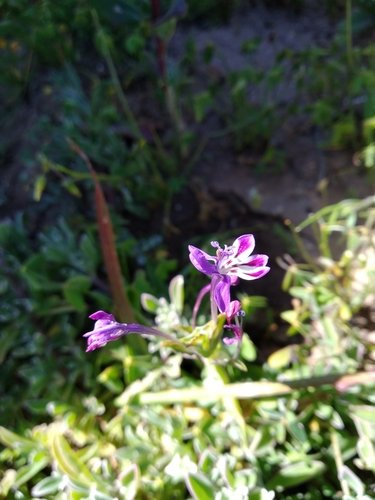
Zea mays
Seeds for Planting
From South Korea
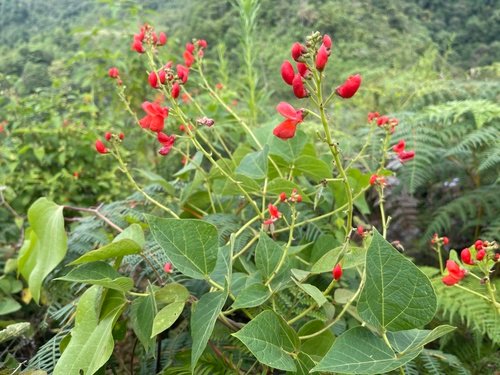
Phaseolus vulgaris
Seeds for Planting
From India

Gliricidia sepium
Seeds for Planting
From India

Polygonum orientale
Seeds for Planting
From India

Rubus idaeus
Seeds for Planting
From Eurasia

Lychnis coronaria
Seeds for Planting
From Tibet

Pyracantha coccinea
Seeds for Planting

Hippophae rhamnoides
Seeds for Planting
From Ladakh

Sesamus indicum
Seeds for Planting
From India

Betula pendula
Seeds for Planting
From South Korea

Acer saccharinum
Seeds for Planting
From South Korea

Phytolacca bogotensis
Seeds for Planting
From South Korea

Rubus saxatilis
Seeds for Planting
From India
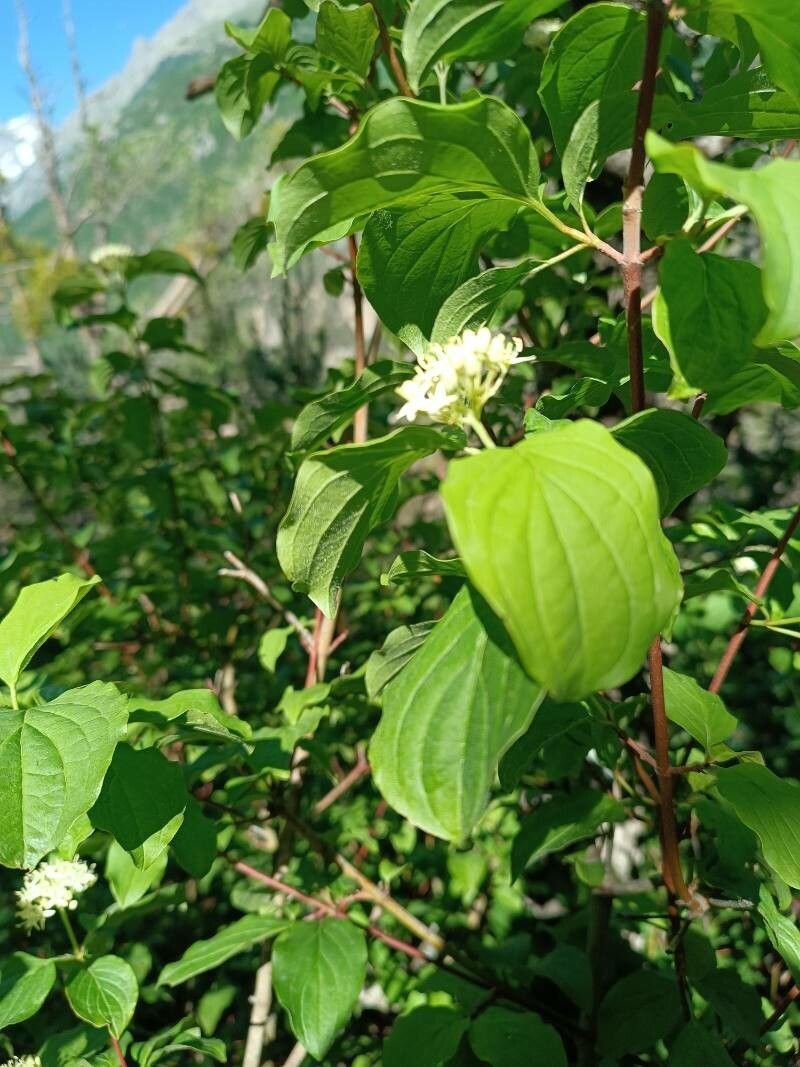
Semen Strychni
Seeds for Planting
From India

Tamarindus indica
Seeds for Planting
From Thailand

Rosa rubiginosa
Seeds for Planting
From Ladakh, India

Acer buergerianum
Seeds for Planting
From South Korea

Thuja occidentalis
Seeds for Planting
From India

Thuja koraiensis
Seeds for Planting
From South Korea

Thuja orientalis f. aurea nana
Seeds for Planting
From South Korea

mimosa pudica
Seeds for Planting
From India

Indigofera tinctoria
Seeds for Planting
From South Korea

Mucuna pruriens
Seeds for Planting
From India

Phaseolus vulgaris
Seeds for Planting
From India

Leucaena leucocephala
Seeds for Planting
From India

Phaseolus vulgaris
Seeds for Planting
From India

Rubus ferus
Seeds for Planting
From Himalayas

Ligustrum vulgare
Seeds for Planting
From South Korea

Fragaria Vesca
Seeds for Planting
From Russia
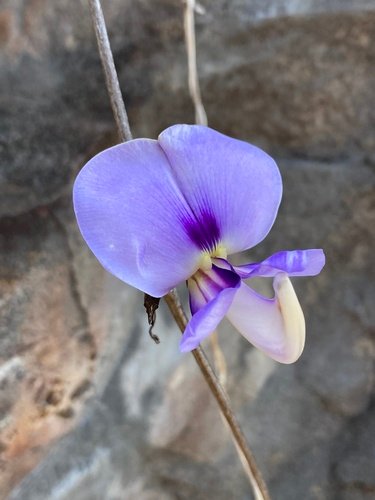
Phaseolus vulgaris
Seeds for Planting
From India