 Green Legacy Seeds
mountain hawthorn - Chinese haw - Chinese hawthorn
Crataegus pinnatifida

Cornus officinalis Siebold & Zucc
South Korea
Deciduous tree 5-6 m high or multi-stemmed shrub 3-4 m high. The root system is fibrous, mostly at a depth of 40 cm.
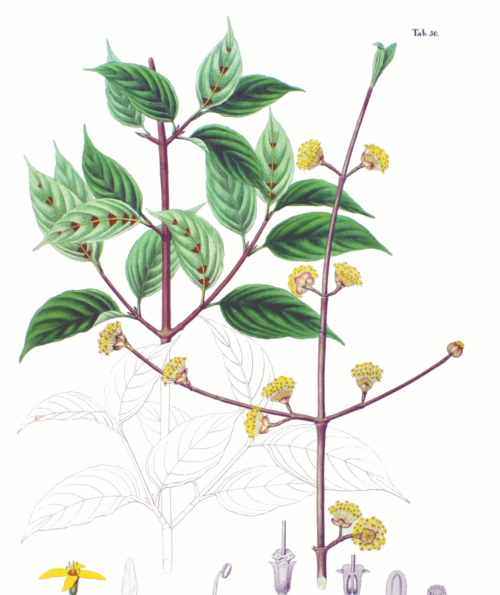
Branches are horizontally spread, with blackish bark. The leaves are opposite, simple, 3.5—8 cm long, oval, shiny, bright green, with three to five pairs of veins.
The flowers are small, Golden-yellow, bisexual, collected in umbrella inflorescences; in the umbrella 15-25 flowers. Flower regular, bisexual; calyx barely visible about four teeth, the Corolla yellow with four petals, four stamens, bilocular ovary inferior, style simple at the base developed fleshy disk[4]. Blooms until the leaves open in April at a temperature of 8-12 °C, flowering is extended for 10-14 days.
The fruit is a juicy drupe, the stone is elongated-oval. Dogwood fruits have different shapes and sizes. They are short-and long-oval, spherical and pear-shaped. The surface of the fruit is smooth, bumpy, slightly bumpy; the color is light red, red, dark red, dark purple and almost black. The average fruit weight is 2-6 g. The weight of 100 fruits together with the seeds varies depending on their size and shape — from 190 to 400 g. The weight of the pulp from the weight of the fruit is from 68 to 88 %. The fruit ripens in late August and September.
No reviews yet. Be the first to review!
No questions yet. Ask the first!


