 Green Legacy Seeds
These berries are thriving! The planting guide made it easy.
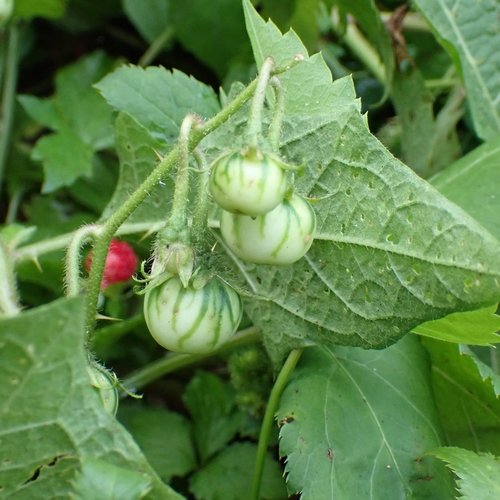
Mock Strawberry Seeds for Planting
Potentilla indica
From South Korea
International Shipping with Tracking Number
Processing Time: 3–7 business days.
Delivery: 10–25 business days.
Source Data
Three-lobed pawpaw, or pawpaw triloba, or banana tree, or paw paw (lat. Asimina triloba).
Deciduous tree or shrub 4–5 m tall.
The leaves are 12–30 cm long, short-pointed, leathery at the apex, with frequent translucent punctate glands, densely green. In mid-autumn they turn yellow and fall off, new leaves appear in late spring, when the plant has already faded.
The flowers are usually solitary, brownish-purple, up to 4.5 cm in diameter. The flowers are bisexual, but are cross-pollinated. The flowers emit a slight but very unpleasant odor.
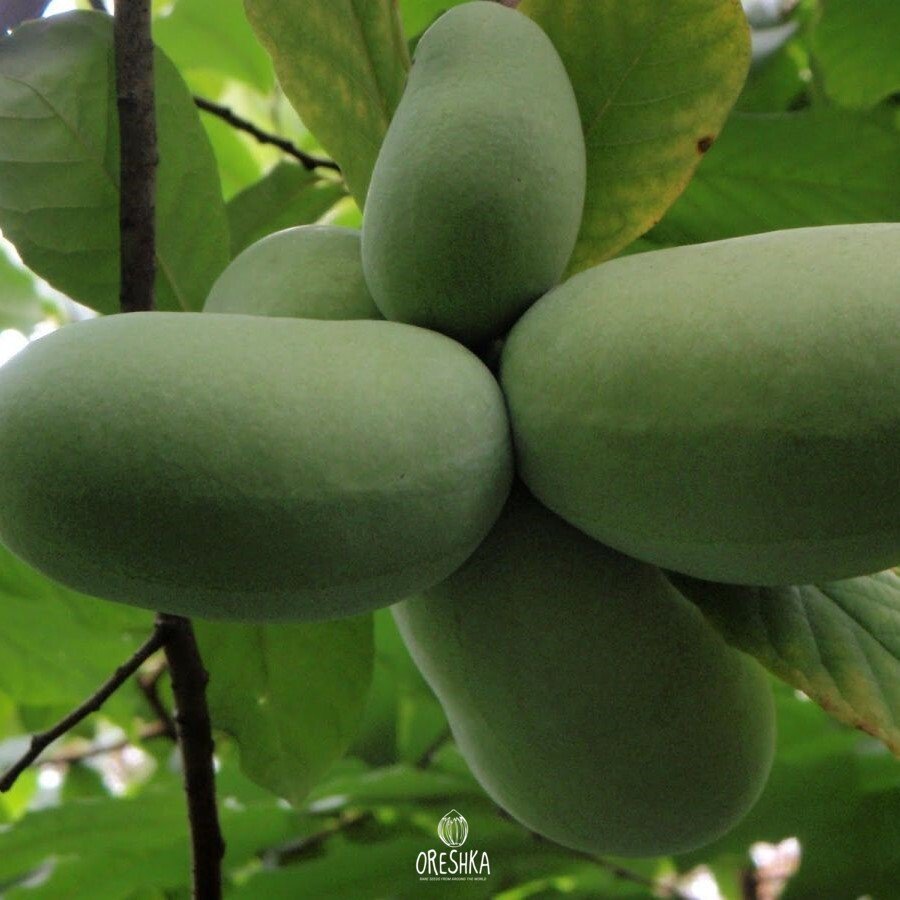
Fruits are 5–16 cm long, 3–7 cm wide, weigh from 20 to 500 g, 2–8 fruits on one axis, usually oblong, cylindrical or round, usually somewhat crooked, angular. The seeds are brown. The skin of the fruit is thin, translucent, but easy to peel off. The color changes from green to lemon yellow as it ripens, and after the first frost it turns brown or black. The pulp is soft, whitish-yellow or orange-yellow, with a sickly sweet taste and a pleasant pineapple-strawberry aroma.
Flowering in April - May, lasts about three weeks. Fruiting in September - October, fruits ripen within 4 weeks.
Planting is recommended in sunny, sheltered areas. Prefers lightly drained soil with a neutral pH. In the first year, young seedlings require shading in winter and summer as they are very sensitive to the sun.
USDA Hardiness Zone: 5 (-29°C to -23°C).
- USDA Zone
- 5
Instructions
- Growing Duchesnea, Mock strawberry, Indian-strawberry (Potentilla indica) from seed is a rewarding process. Follow these guidelines for best results.
- Seed Preparation: Soak seeds in warm water for 12–24 hours before sowing to soften the seed coat. Discard any floating seeds as they are likely non-viable.
- Sowing: Sow seeds 0.5–1 cm deep in well-draining seed compost. Water gently and keep consistently moist but not waterlogged. Place in a bright location at 18–22°C.
- Germination: Seeds typically germinate in 2–8 weeks. Keep soil consistently moist during germination. Once seedlings emerge, gradually increase ventilation.
- Transplanting: Transplant seedlings into individual pots once they have 2–3 pairs of true leaves. Harden off gradually over 7–10 days before planting in final position. Space according to the mature size of the species.
- Aftercare: Water regularly during the first growing season. Apply a balanced fertilizer in spring. Mulch annually to retain moisture and suppress weeds. Prune as needed to maintain shape.
- Hardiness: Hardiness varies by species and growing conditions. Young plants may need protection from extreme temperatures. Acclimatize gradually to outdoor conditions.
Gallery
Growing Techniques
Fertilizing Seedlings and Plants
When and how to feed young plants for healthy growth.
Pruning and Thinning Seedlings
When and how to thin overcrowded seedlings for optimal growth.
Soaking Seeds Before Planting
Pre-soaking seeds in water to soften coats and speed up germination.
Transplanting Seedlings
How to safely move seedlings from pots to garden beds.
Watering Seeds and Seedlings
Proper watering techniques for seeds, seedlings and established plants.
Reviews 5/5 (1)
Write a Review
Questions & Answers
Q: Can I grow these indoors year round?
A: Yes, many of these seeds can be started indoors and grown as houseplants. Provide adequate light (12-16 hours daily) and maintain consistent temperature between 18-24┬░C (65-75┬░F).


