 Green Legacy Seeds
Adzuki Bean Seeds for Planting
Phaseolus vulgaris
Seeds for Planting
From India
Thinning is the process of removing excess seedlings to give remaining plants adequate space for roots and foliage. Crowded seedlings compete for light, water, and nutrients, resulting in weak, spindly plants.
| Plant | Thinning Distance |
|---|---|
| Carrots | 2-3 inches apart |
| Lettuce | 6-12 inches apart |
| Radishes | 2-4 inches apart |
| Tomatoes | 18-24 inches apart |
| Cucumbers | 12-18 inches apart |
| Cosmos | 12-18 inches apart |
| Sunflowers | 12-18 inches apart |
For many plants, pinching the growing tip encourages bushier growth:
Phaseolus vulgaris
Seeds for Planting
From India

Samanea saman
Seeds for Planting
From India

Phytolacca americana
Seeds for Planting
From India

Withania somnifera
Seeds for Planting
From India

Vachellia nilotica
Seeds for Planting
From India

Perilla frutescens
Seeds for Planting
From South Korea

Trifolium alexandrinum
Seeds for Planting
From India

Vaccinium Myrtillus
Seeds for Planting
From Russia

momordica charantia
Seeds for Planting
From India

Morus nigra
Seeds for Planting
From South Korea
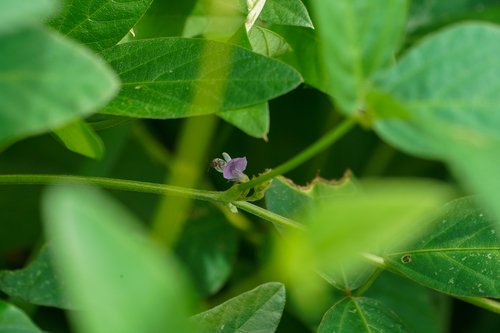
Glycine max
Seeds for Planting
From India

Cicer arietinum
Seeds for Planting
From India

Euonymus alatus
Seeds for Planting
From South Korea

Cucurbita moschata
Seeds for Planting
From South Korea
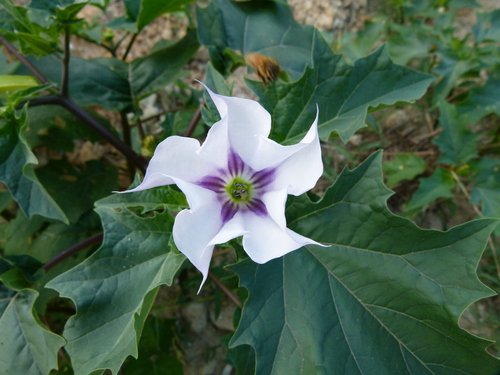
Ricinus communis
Seeds for Planting
From India

Pistacia vera
Seeds for Planting
From Tajikistan

Vitex agnus-castus
Seeds for Planting
From India

Lycium chinense
Seeds for Planting
From South Korea

Malus hupehensis
Seeds for Planting
From South Korea

Nandina domestica
Seeds for Planting
From South Korea

Rubus chamaemorus
Seeds for Planting
From Russia

Crambe tataria
Seeds for Planting
From India

Lagerstroemia indica
Seeds for Planting
From India

Raphanus sativus
Seeds for Planting
From India

Phaseolus vulgaris
Seeds for Planting
From India

Eucalyptus hybrid
Seeds for Planting
From India

Euonymus Japonicus
Seeds for Planting
From South Korea

Sida cordifolia
Seeds for Planting
From India

Eucalyptus tereticornis
Seeds for Planting
From India

ginkgo biloba
Seeds for Planting
From South Korea

Matricaria chamomilla
Seeds for Planting
From Eurasia

Duranta erecta
Seeds for Planting
From India

Actinidia chinensis
Seeds for Planting
From India

Fragaria viridis
Seeds for Planting
From Eurasia

Berberis lycium Royle
Seeds for Planting
From Himachal Pradesh, India

Rosa multiflora himalayan
Seeds for Planting
From India

Corylus jacquemontii
Seeds for Planting
From India

Melia azedarach
Seeds for Planting
From India

cerasus serrulata
Seeds for Planting
From South Korea
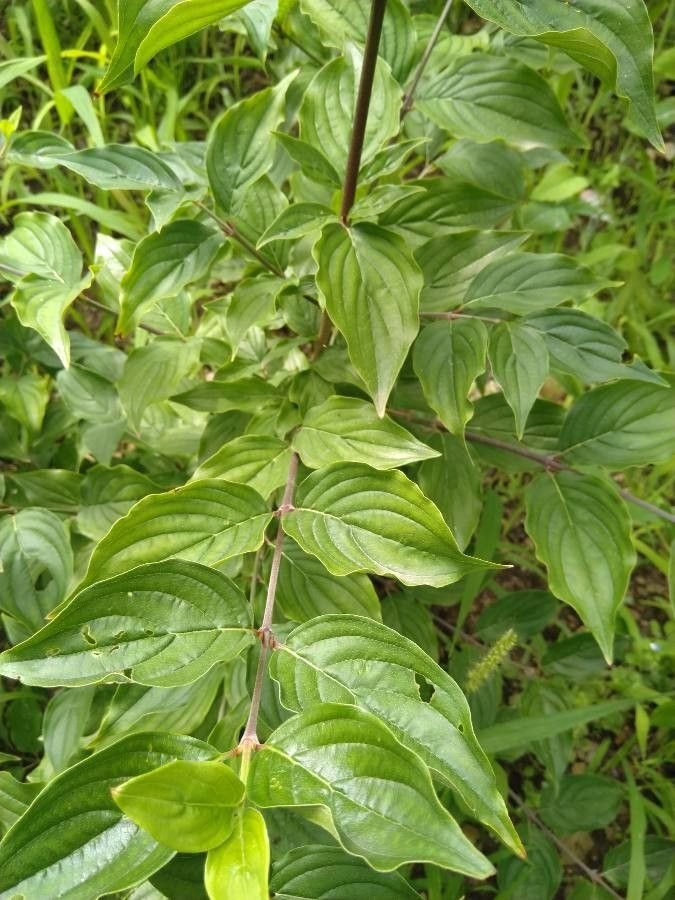
Cornus officinalis Siebold & Zucc
Seeds for Planting
From South Korea

Acer palmatum subsp. 'Amoenum'
Seeds for Planting
From South Korea

Solanum pseudocapsicum
Seeds for Planting
From India

Phaseolus vulgaris
Seeds for Planting
From India

Andrographis paniculata
Seeds for Planting
From India

Hibiscus syriacus
Seeds for Planting
From South Korea

Prunus armeniaca
Seeds for Planting
From India

Chenopodium album
Seeds for Planting
From Ladakh

Lawsonia inermis
Seeds for Planting
From India

Phaseolus lunatus
Seeds for Planting
From South Korea

Viburnum dilatatum
Seeds for Planting
From South Korea

Vaccinium Vitis Idaea
Seeds for Planting
From Russia

Magnolia champaca
Seeds for Planting
From India
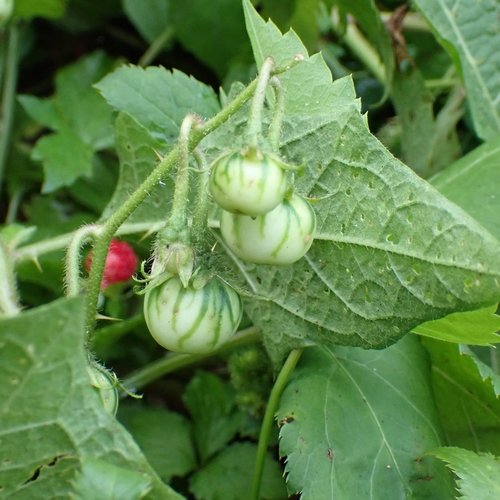
Potentilla indica
Seeds for Planting
From South Korea

Sorbus Aucuparia
Seeds for Planting
From Russia

Crataegus pinnatifida
Seeds for Planting
From South Korea

Ocimum basilicum
Seeds for Planting
From India

Caesalpinia pulcherrima
Seeds for Planting
From India
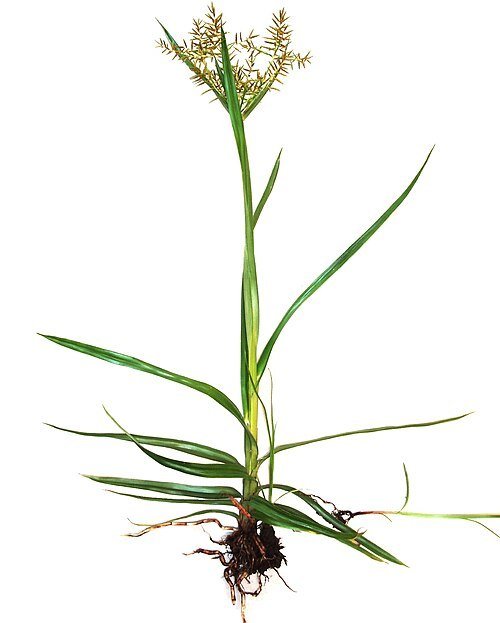
Cyprus esculentus
Seeds for Planting
From Thailand

Carya illinoinensis
Seeds for Planting
From India

Callicarpa dichotoma
Seeds for Planting
From South Korea
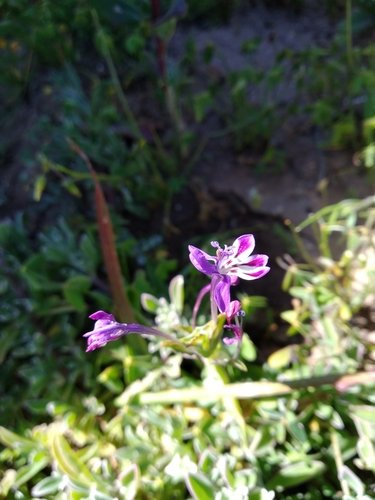
Zea mays
Seeds for Planting
From South Korea

Gliricidia sepium
Seeds for Planting
From India

Rubus idaeus
Seeds for Planting
From Eurasia

Lychnis coronaria
Seeds for Planting
From Tibet

Hippophae rhamnoides
Seeds for Planting
From Ladakh

Sesamus indicum
Seeds for Planting
From India

Betula pendula
Seeds for Planting
From South Korea

Acer saccharinum
Seeds for Planting
From South Korea

Rubus saxatilis
Seeds for Planting
From India

Rosa rubiginosa
Seeds for Planting
From Ladakh, India

Mucuna pruriens
Seeds for Planting
From India

Rubus ferus
Seeds for Planting
From Himalayas

Ligustrum vulgare
Seeds for Planting
From South Korea