
Wild Himalayan Blackberry

Wild Himalayan Blackberry

Rubus ferus

Himalayas

$11.00 ● In Stock

Source Data

Wild Himalayan blackberries

A very early, high-yielding, unpretentious and hardy variety. The variety is self-fertile, resistant to most diseases and pests.

Bushes up to 1.5 m high with drooping shoots, grown on trellises. The thorniness is weakly expressed.

The leaves are mostly large, rounded or oblong, bright green in color.

The color of the miniature flowers varies from white to pinkish. Blooms profusely and for a long time, from the end of May, becoming very decorative at this time.

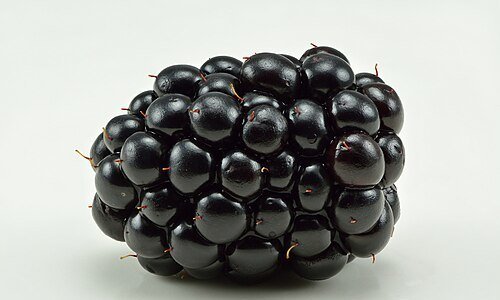
The berries are large oval, rich black in color. The taste is excellent dessert. Berries are used fresh and for all types of processing.

The harvest ripens gradually, starting from the second half of July and until autumn.

Can be used in hedges.

They prefer a sunny place and fertile, light, well—permeable, slightly acidic soil (pH 5.7-6.3). Blackberries can tolerate temporary flooding by flood or rainwater, but will not withstand prolonged stagnation of water. The optimal depth of groundwater for it is 1.2—1.5 m.

USDA Frost Resistance Zone: 4 (-34°C to -29°C).
Instructions

  1. Growing Wild Himalayan Blackberry (Rubus ferus) from seed is a rewarding process. Follow these guidelines for best results.
  2. Seed Preparation: Soak seeds in warm water for 12–24 hours before sowing to soften the seed coat. Discard any floating seeds as they are likely non-viable.
  3. Sowing: Sow seeds 0.5–1 cm deep in well-draining seed compost. Water gently and keep consistently moist but not waterlogged. Place in a bright location at 18–22°C.
  4. Germination: Seeds typically germinate in 2–8 weeks. Keep soil consistently moist during germination. Once seedlings emerge, gradually increase ventilation.
  5. Transplanting: Transplant seedlings into individual pots once they have 2–3 pairs of true leaves. Harden off gradually over 7–10 days before planting in final position. Space according to the mature size of the species.
  6. Aftercare: Water regularly during the first growing season. Apply a balanced fertilizer in spring. Mulch annually to retain moisture and suppress weeds. Prune as needed to maintain shape.
  7. Hardiness: Hardiness varies by species and growing conditions. Young plants may need protection from extreme temperatures. Acclimatize gradually to outdoor conditions.

Gallery

Reviews

No reviews yet. Be the first to review!

Write a Review

Questions & Answers

No questions yet. Ask the first!

Ask a Question