 Green Legacy Seeds
Excellent seeds! High germination rate and healthy growth.

Stone Bramble Seeds for Planting
Rubus saxatilis
From India
International Shipping with Tracking Number
Processing Time: 3–7 business days.
Delivery: 10–25 business days.
Source Data
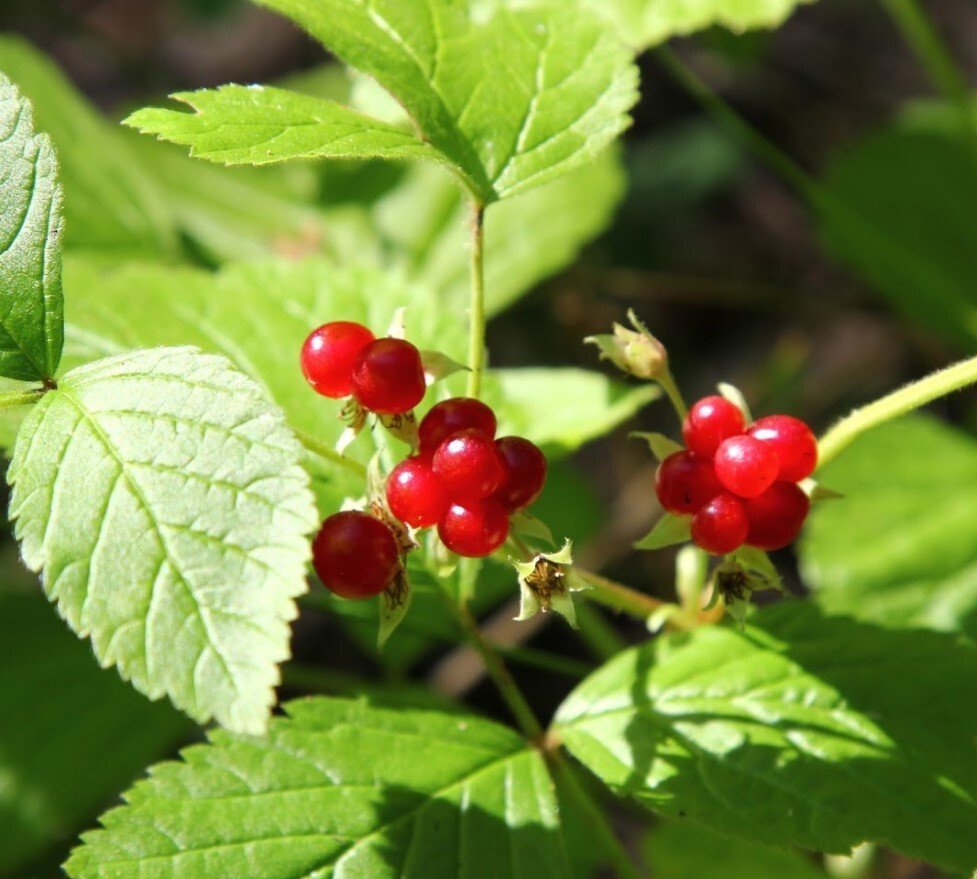
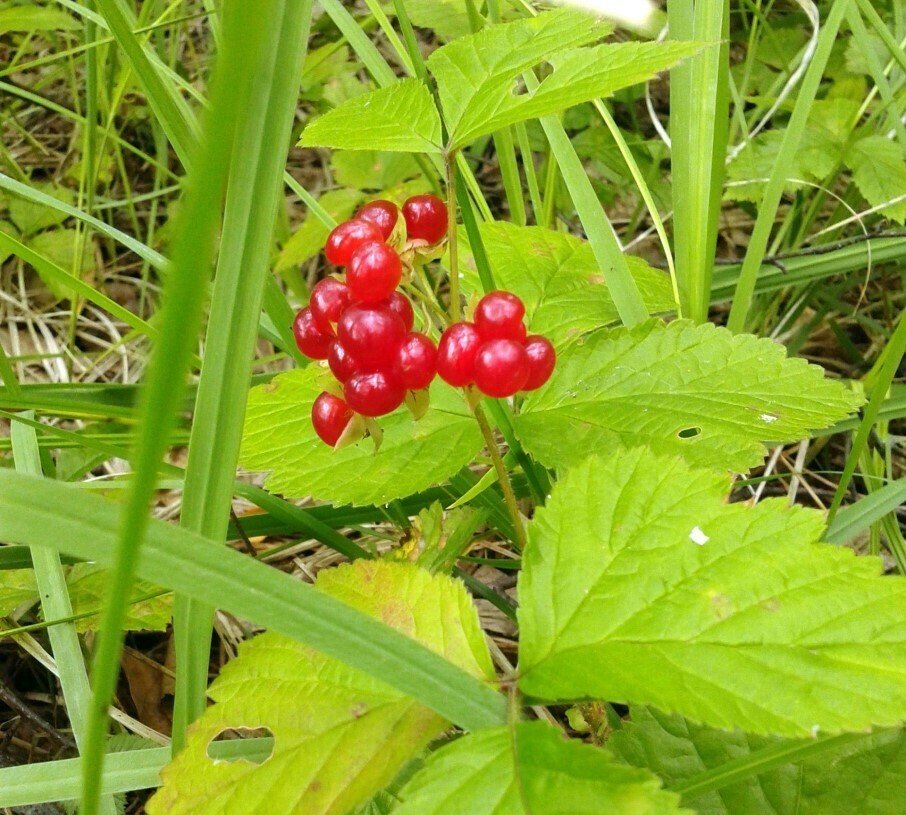
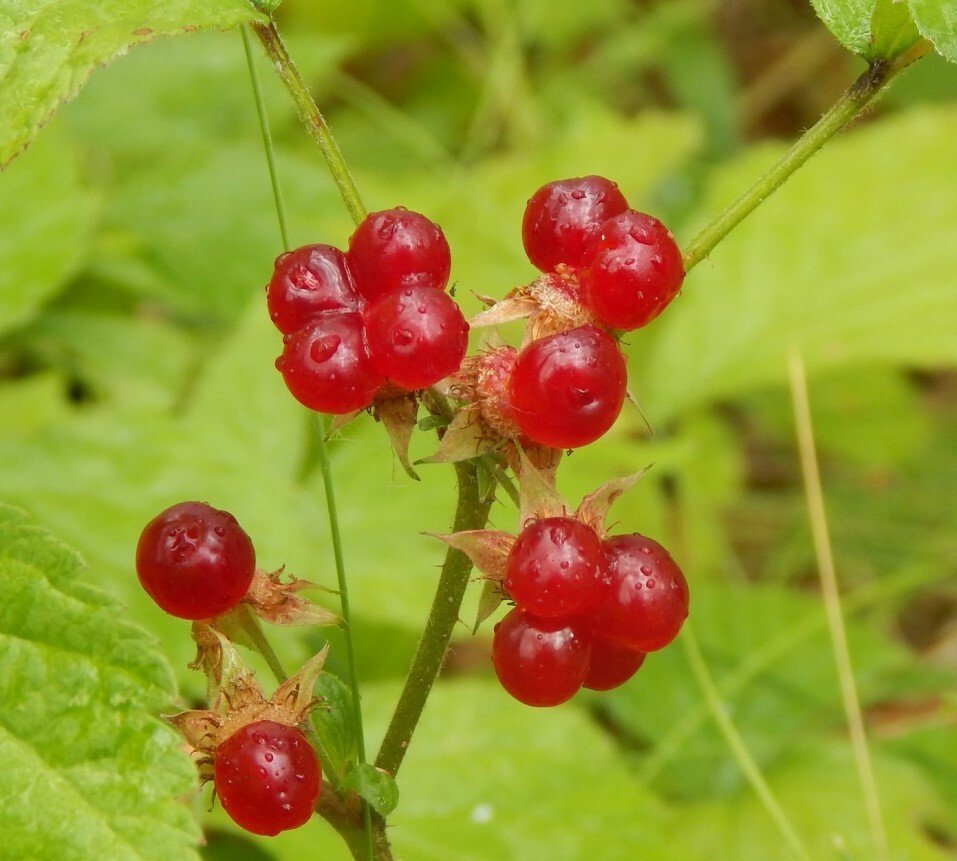
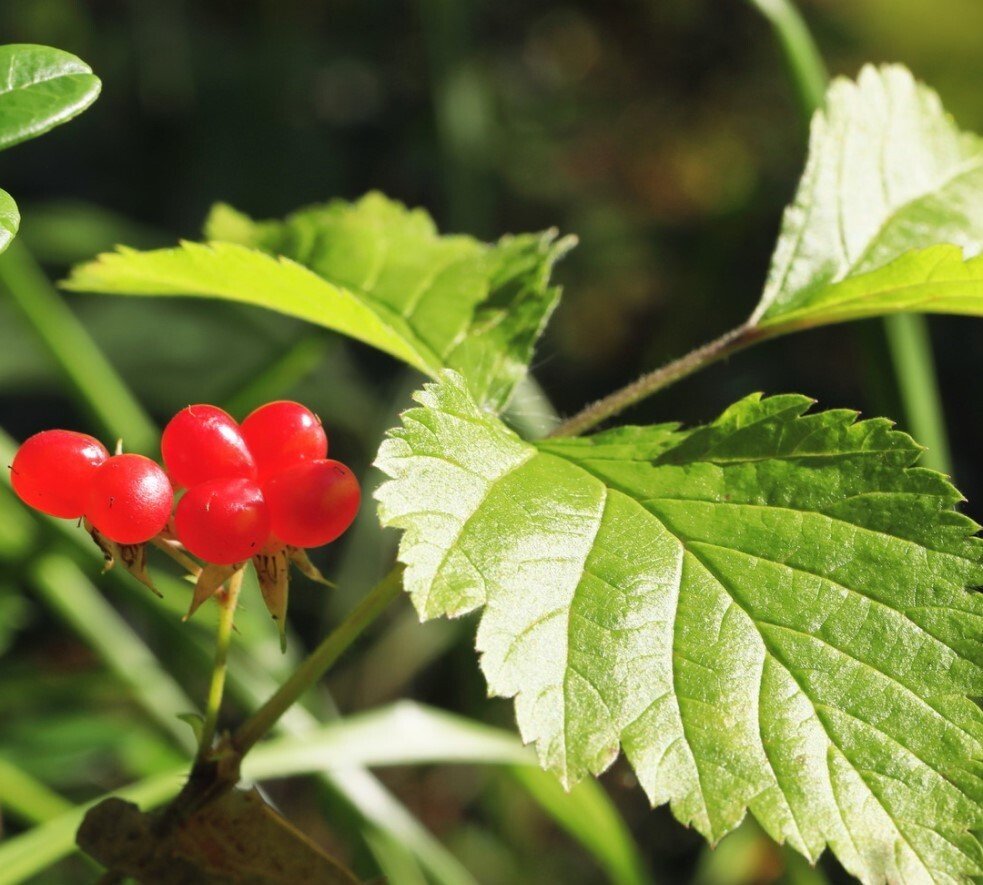
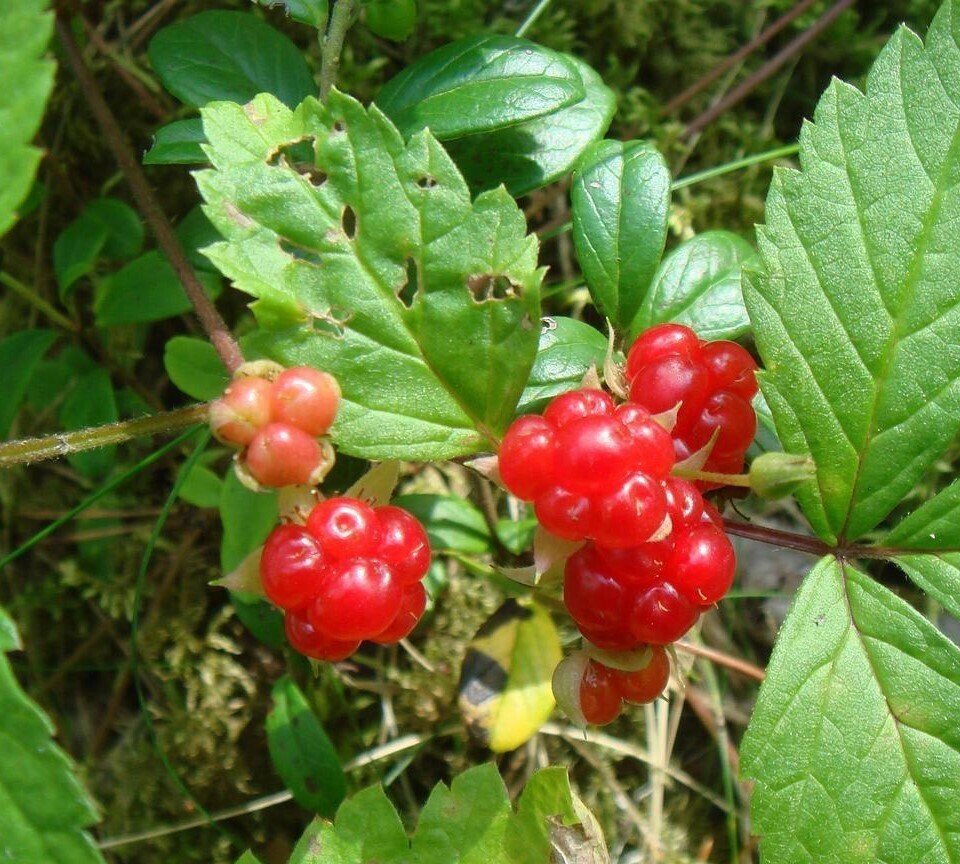
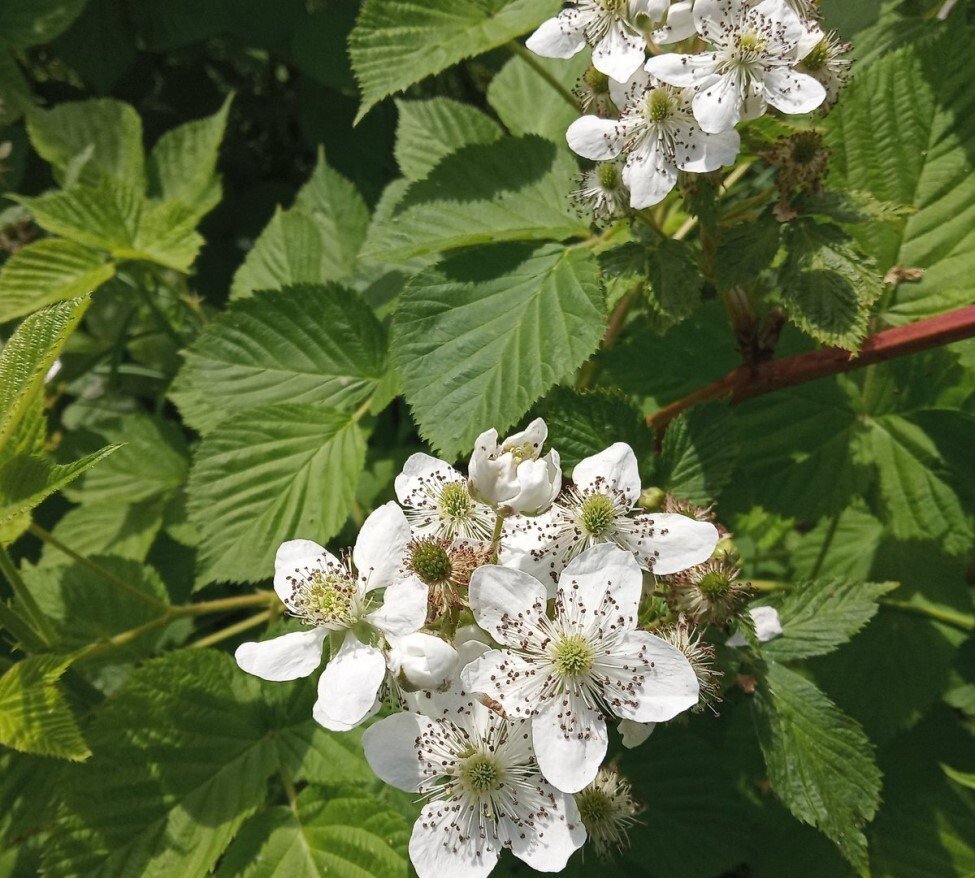
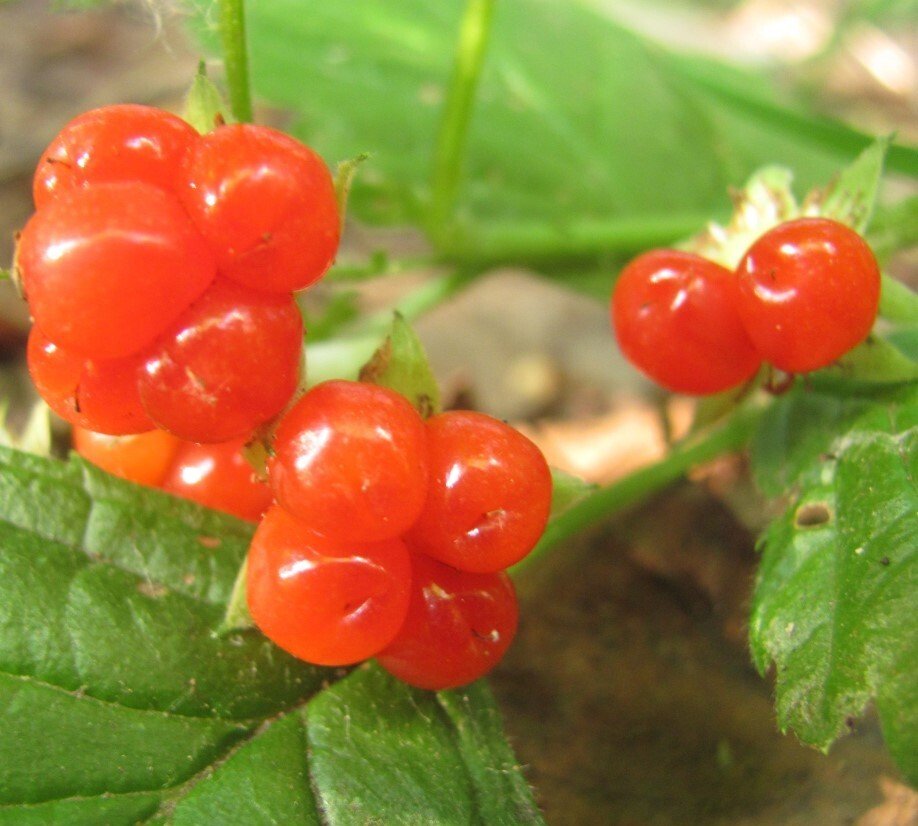
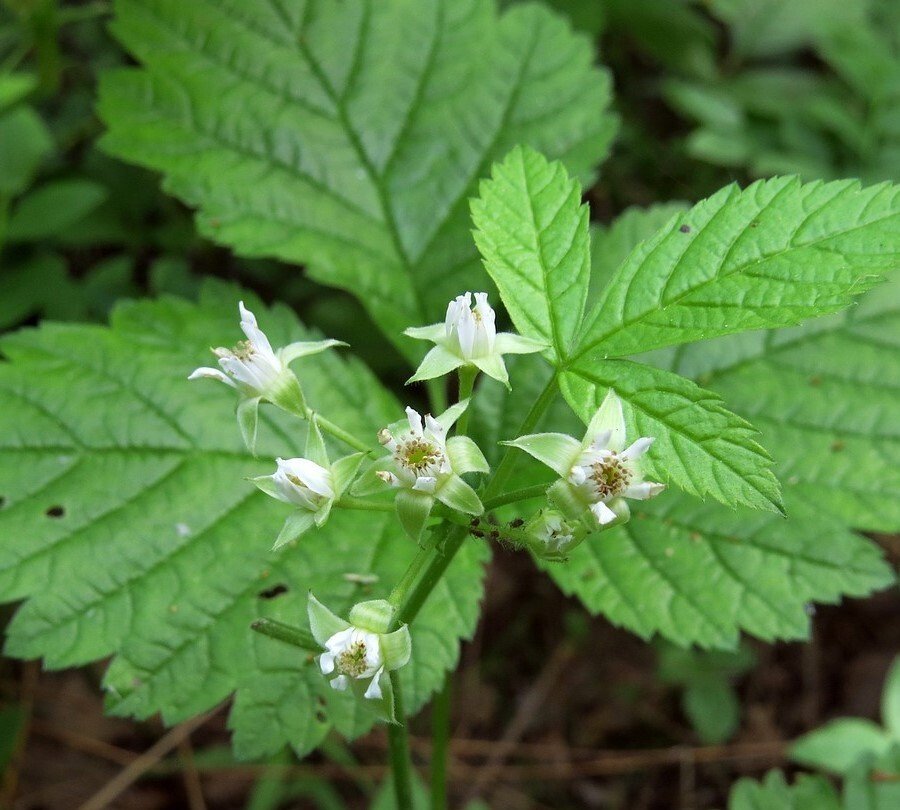
Wild forest Stone bramble berry, Boneberry, Red forest berry, Bramble seeds (lat. Rubus saxatilis).
A small perennial herbaceous plant up to 30 cm high with long shoots spreading along the ground up to 1.5 m long, taking root in the fall.
The stem is straight with hard fibers. The leaves are trifoliate, rough, with stiff hairs, on long petioles. Stipules are free, ovate-lanceolate.
The flowers are white, small, bisexual, collected at the top of the stem, 3-10 in corymbose or umbellate inflorescences. Blooms in May - June.
The fruit is a relatively large aggregate drupe of bright red or orange-red color, usually consisting of 1-5 fruitlets, each with a large stone inside. The berries are juicy and sour. The fruits ripen in July - August.
Suitable for calcareous-stony soils, cool-temperate climate conditions, the plant does not require too much light.
USDA Hardiness Zone: 3 (-40°C to -34°C).
- USDA Zone
- 3
Instructions
- Growing stone bramble - roebuck berry (Rubus saxatilis) from seed is a rewarding process. Follow these guidelines for best results.
- Seed Preparation: Soak seeds in warm water for 12–24 hours before sowing to soften the seed coat. Discard any floating seeds as they are likely non-viable.
- Sowing: Sow seeds 0.5–1 cm deep in well-draining seed compost. Water gently and keep consistently moist but not waterlogged. Place in a bright location at 18–22°C.
- Germination: Seeds typically germinate in 2–8 weeks. Keep soil consistently moist during germination. Once seedlings emerge, gradually increase ventilation.
- Transplanting: Transplant seedlings into individual pots once they have 2–3 pairs of true leaves. Harden off gradually over 7–10 days before planting in final position. Space according to the mature size of the species.
- Aftercare: Water regularly during the first growing season. Apply a balanced fertilizer in spring. Mulch annually to retain moisture and suppress weeds. Prune as needed to maintain shape.
- Hardiness: Hardiness varies by species and growing conditions. Young plants may need protection from extreme temperatures. Acclimatize gradually to outdoor conditions.
Gallery
Growing Techniques
Fertilizing Seedlings and Plants
When and how to feed young plants for healthy growth.
Pruning and Thinning Seedlings
When and how to thin overcrowded seedlings for optimal growth.
Soaking Seeds Before Planting
Pre-soaking seeds in water to soften coats and speed up germination.
Transplanting Seedlings
How to safely move seedlings from pots to garden beds.
Watering Seeds and Seedlings
Proper watering techniques for seeds, seedlings and established plants.
Reviews 5/5 (2)
Very happy with my purchase. Seeds arrived fresh and well packaged.
Write a Review
Questions & Answers
Q: How often should I water these seedlings?
A: Keep soil consistently moist but not waterlogged. Water when the top inch of soil feels dry. Reduce watering in winter. Good drainage is essential to prevent root rot.
Q: When should I fertilize these plants?
A: Begin fertilizing once true leaves appear, using a diluted liquid fertilizer at quarter strength. Feed every 2-4 weeks during the growing season. Reduce in winter.


