 Green Legacy Seeds
Good quality seeds. Some took longer to germinate than expected but overall pleased with the outcome.

Jerusalem Cherry Seeds for Planting
Solanum pseudocapsicum
From India
International Shipping with Tracking Number
Processing Time: 3–7 business days.
Delivery: 10–25 business days.
Source Data
Solanum pseudocapsicum (Solanum pseudocapsicum)
Description:
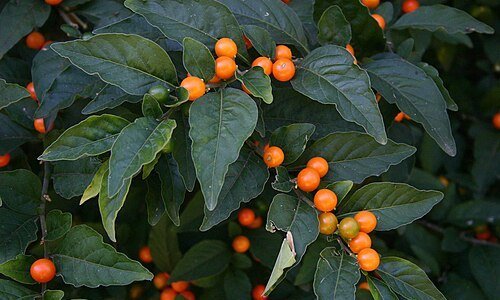
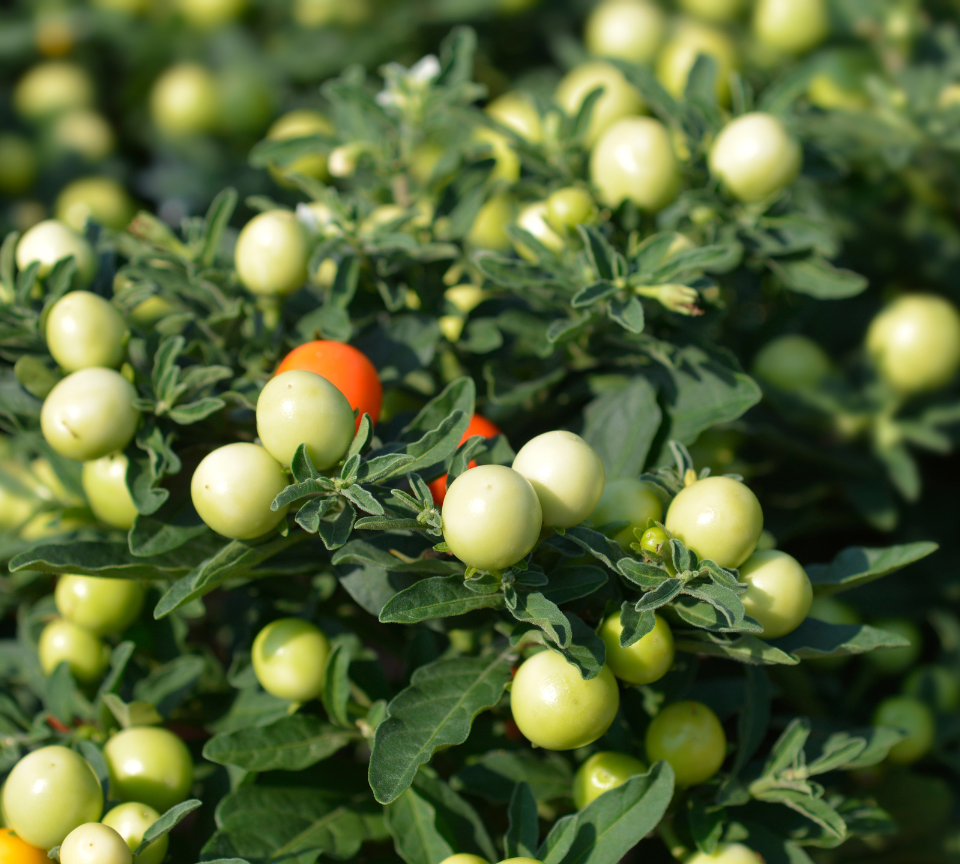
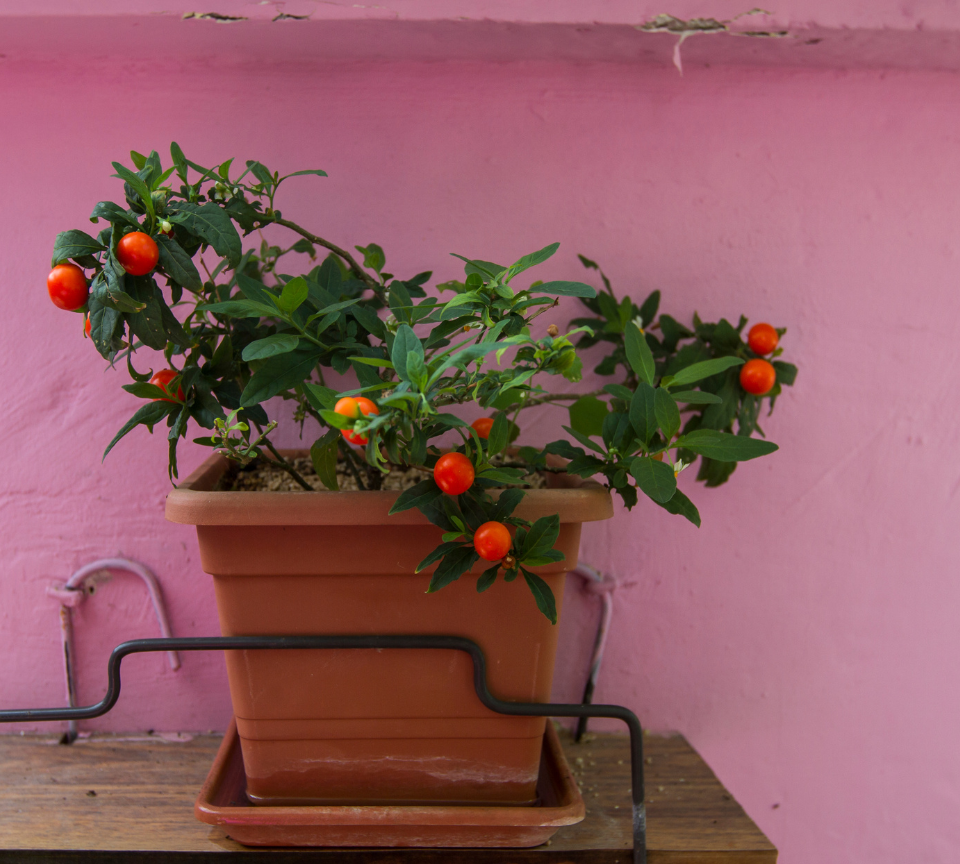
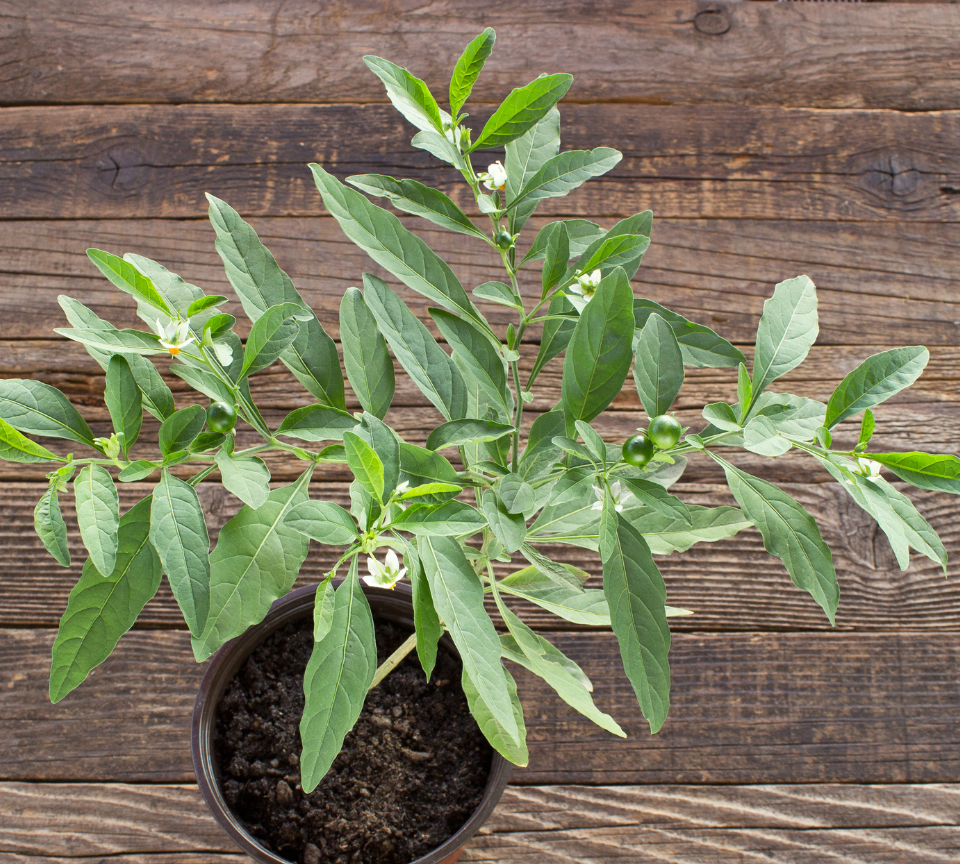
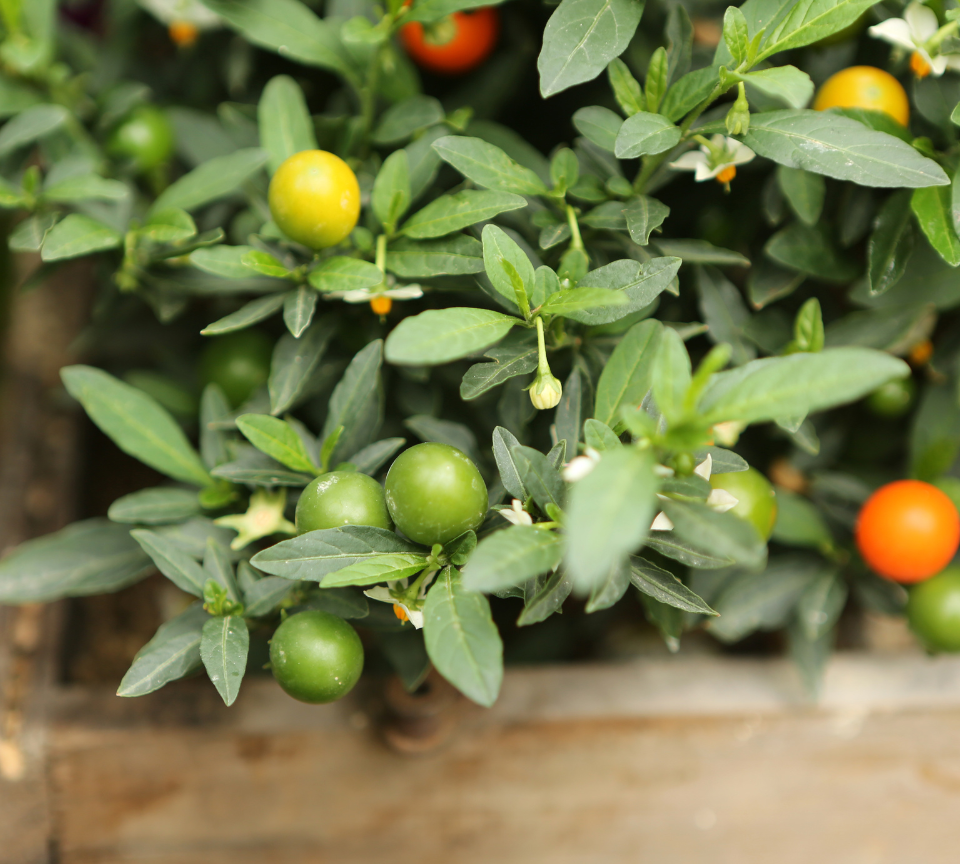
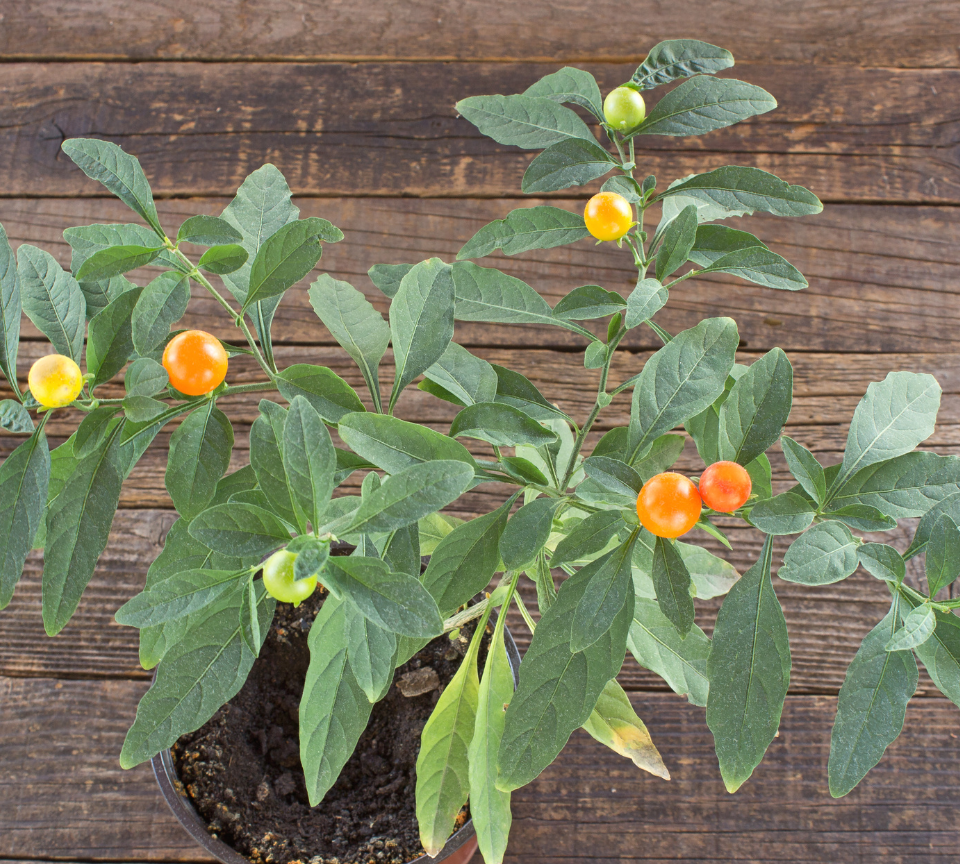
An evergreen shrub, popular as an ornamental houseplant, growing up to 1.5 m tall.
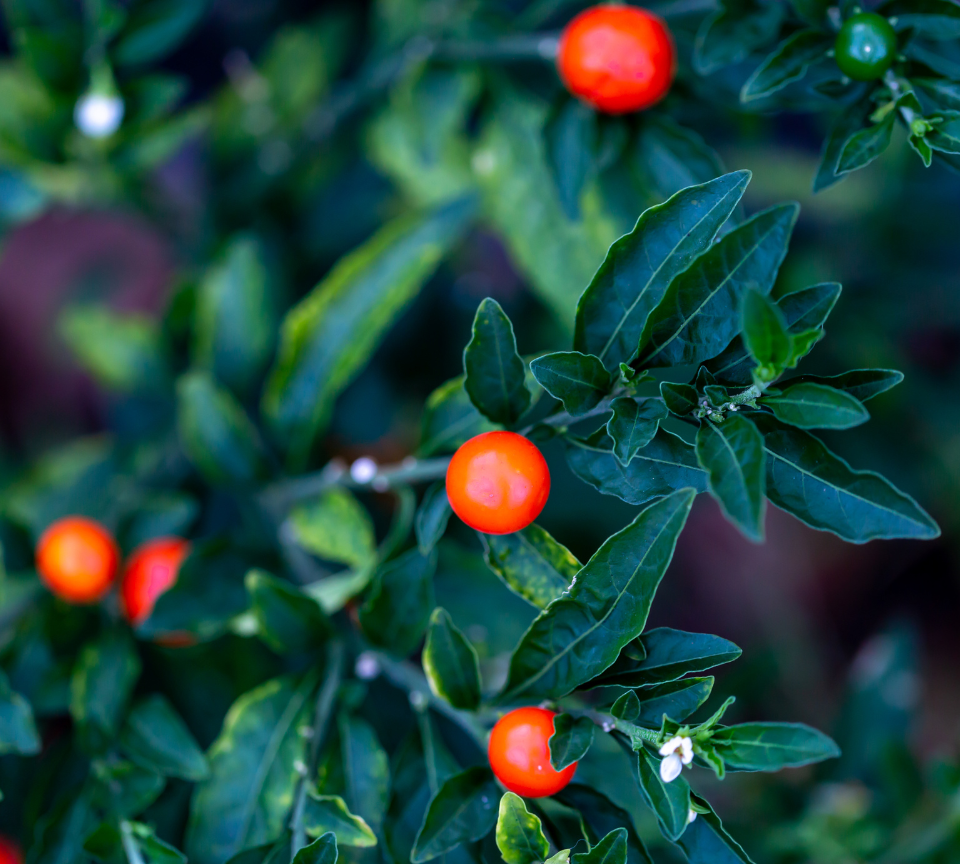
The leaves are dark green and glossy.
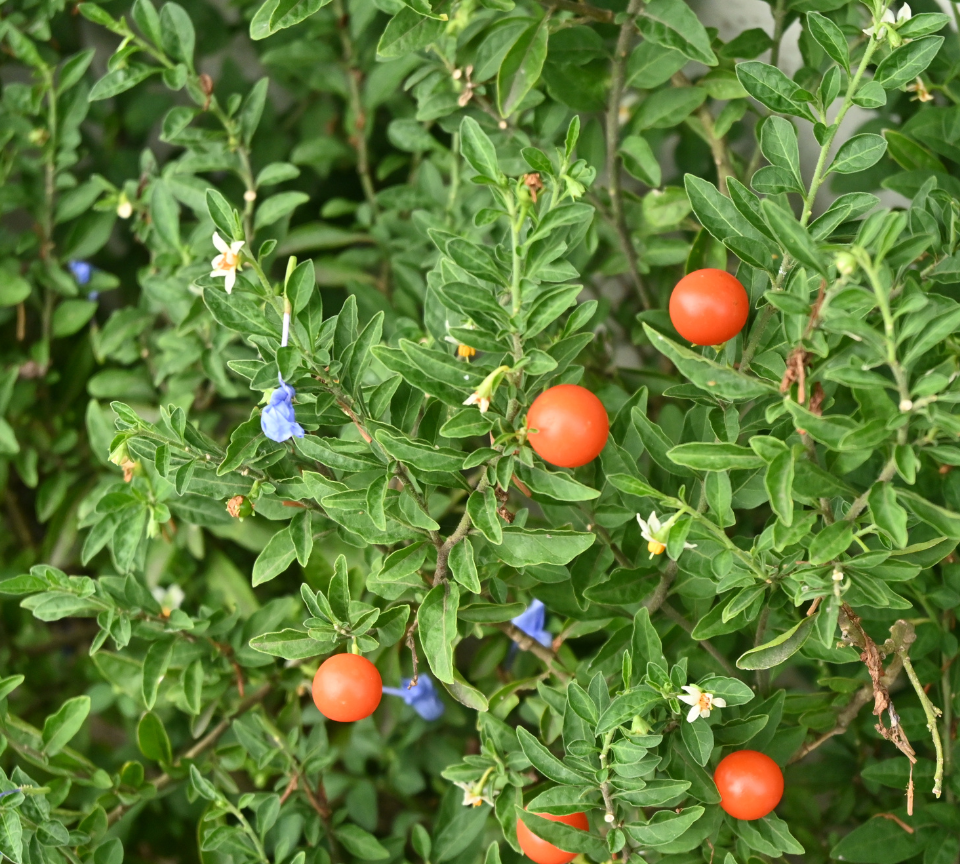
The flowers are small and white. Blooms in July and August.
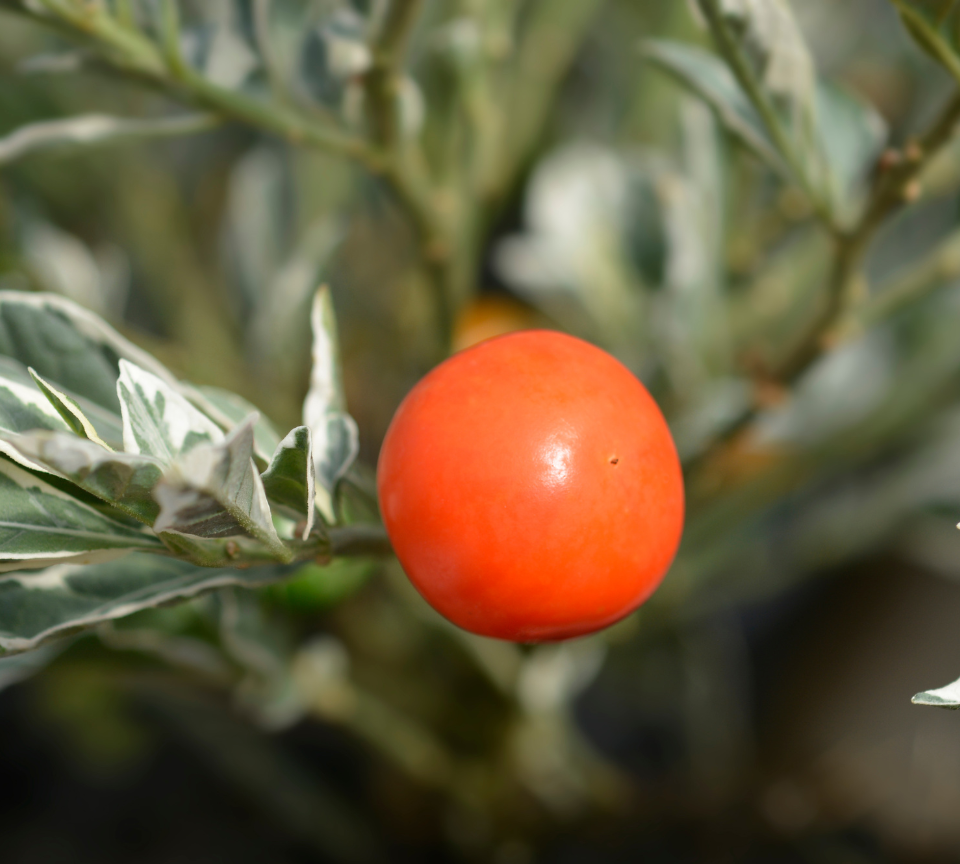
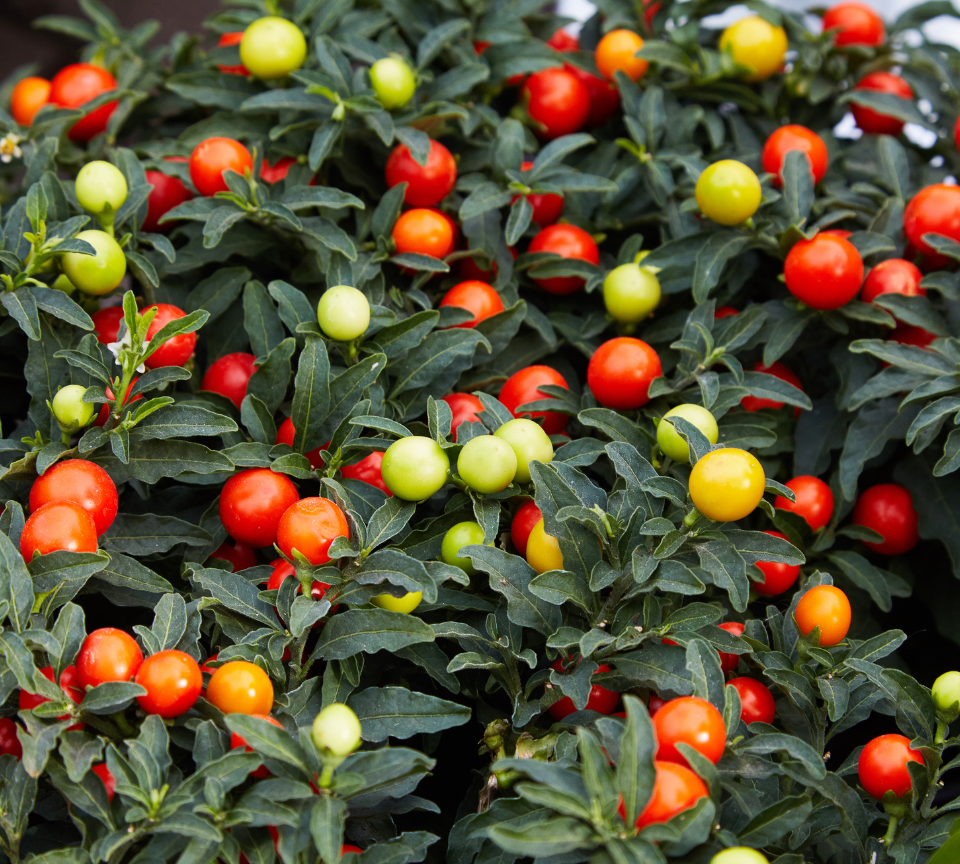
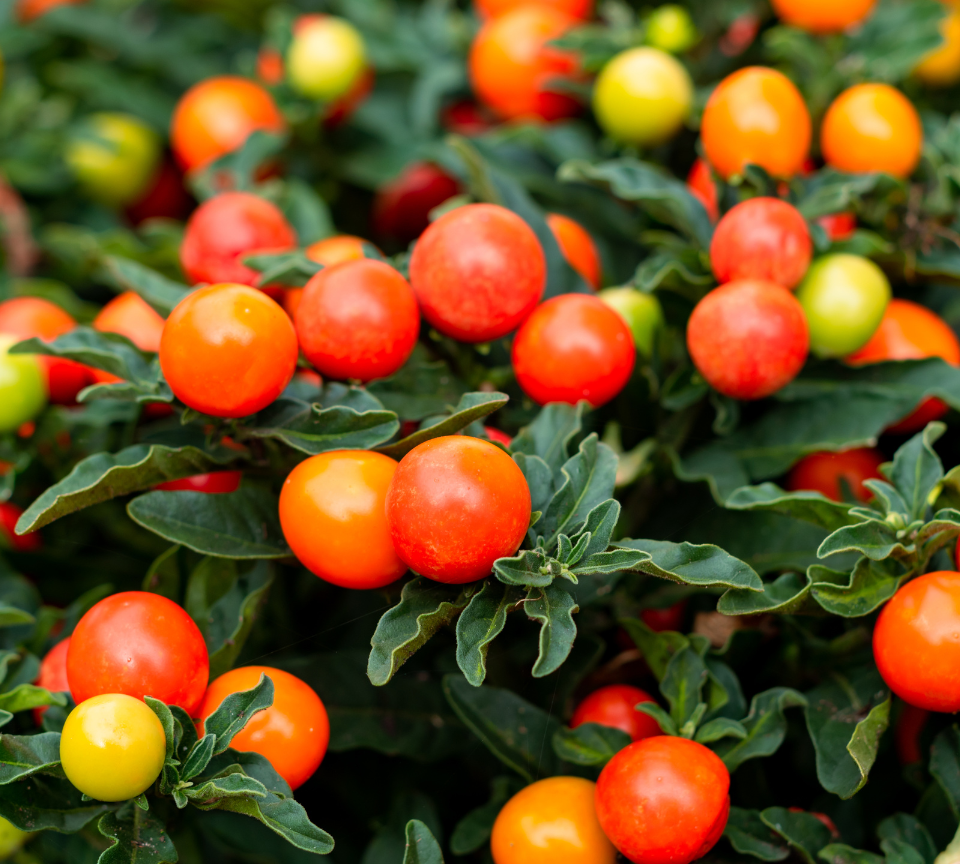
The berries are bright red or orange, spherical, 1.5–2 cm in size, and inedible. They ripen in winter and remain on the plant for several months.
Use:
as an ornamental plant.
Growing conditions:
Prefers a sunny location with light, loose, well-drained soil.
Light: bright, tolerates direct sunlight.
Watering: moderate.
Temperature: not below 16°C and not above 26°C.
Fertilizing: From spring to fall, the plant should be fertilized once a month.
USDA Hardiness Zone:
9 (-7°C to -1°C).
Growing from Seed:
Sow the seeds in peat-based soil, sprinkle with sand, moisten, cover with plastic wrap, and place in a warm location. The first shoots will appear in about 10 days.
When the first true leaf appears, they can be transplanted into individual pots with nutrient-rich soil.
Instructions
- Growing Jerusalem cherry (Solanum pseudocapsicum) from seed is a rewarding process. Follow these guidelines for best results.
- Seed Preparation: Cold stratification is required. Place seeds in moist sand or vermiculite in a sealed bag and refrigerate at 1–5°C for 4–8 weeks before sowing. Some species may require 60–90 days of cold stratification for optimal germination.
- Sowing: Sow seeds 0.5–1 cm deep in well-draining seed compost. Water gently and keep consistently moist but not waterlogged. Place in a bright location at 18–22°C.
- Germination: Seeds typically germinate in 2–12 weeks after stratification. Germination may be sporadic — do not discard pots if no seedlings appear within the expected timeframe.
- Transplanting: Transplant seedlings into individual pots once they have 2–3 pairs of true leaves. Harden off gradually over 7–10 days before planting in final position. Space according to the mature size of the species.
- Aftercare: Water regularly during the first growing season. Apply a balanced fertilizer in spring. Mulch annually to retain moisture and suppress weeds. Prune as needed to maintain shape.
- Hardiness: Hardy in most temperate climates. Suitable for USDA zones 4–8 depending on species. Established plants can tolerate winter temperatures well below freezing.
Gallery
Growing Techniques
Cold Stratification
A cold treatment that mimics winter to break seed dormancy. Required for many deciduous trees and perennials.
Fertilizing Seedlings and Plants
When and how to feed young plants for healthy growth.
Pruning and Thinning Seedlings
When and how to thin overcrowded seedlings for optimal growth.
Transplanting Seedlings
How to safely move seedlings from pots to garden beds.
Watering Seeds and Seedlings
Proper watering techniques for seeds, seedlings and established plants.
Reviews 4/5 (2)
Fast delivery and good germination. Would recommend to other gardeners.
Write a Review
Questions & Answers
Q: Are these seeds organic?
A: Our seeds are sourced from reputable growers. Check the product description for organic certification details. All seeds are non-GMO and tested for viability.
Ask a Question
Related Products

Korean Rose Seeds for Planting
Hibiscus syriacus
Seeds for Planting
From South Korea

Ragged Sailor Seeds for Planting
Polygonum orientale
Seeds for Planting
From India

Crape Myrtle Seeds for Planting
Lagerstroemia indica
Seeds for Planting
From India

Rose Campion Seeds for Planting
Lychnis coronaria
Seeds for Planting
From Tibet