 Green Legacy Seeds
Perfect for my garden project. Fresh seeds with clear instructions.

Raspberry Seeds for Planting
Rubus idaeus
From Eurasia
International Shipping with Tracking Number
Processing Time: 3–7 business days.
Delivery: 10–25 business days.
Source Data
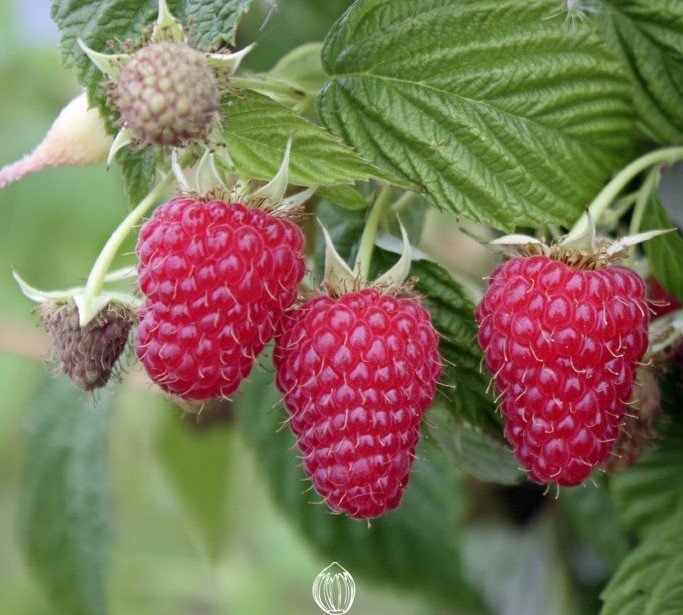
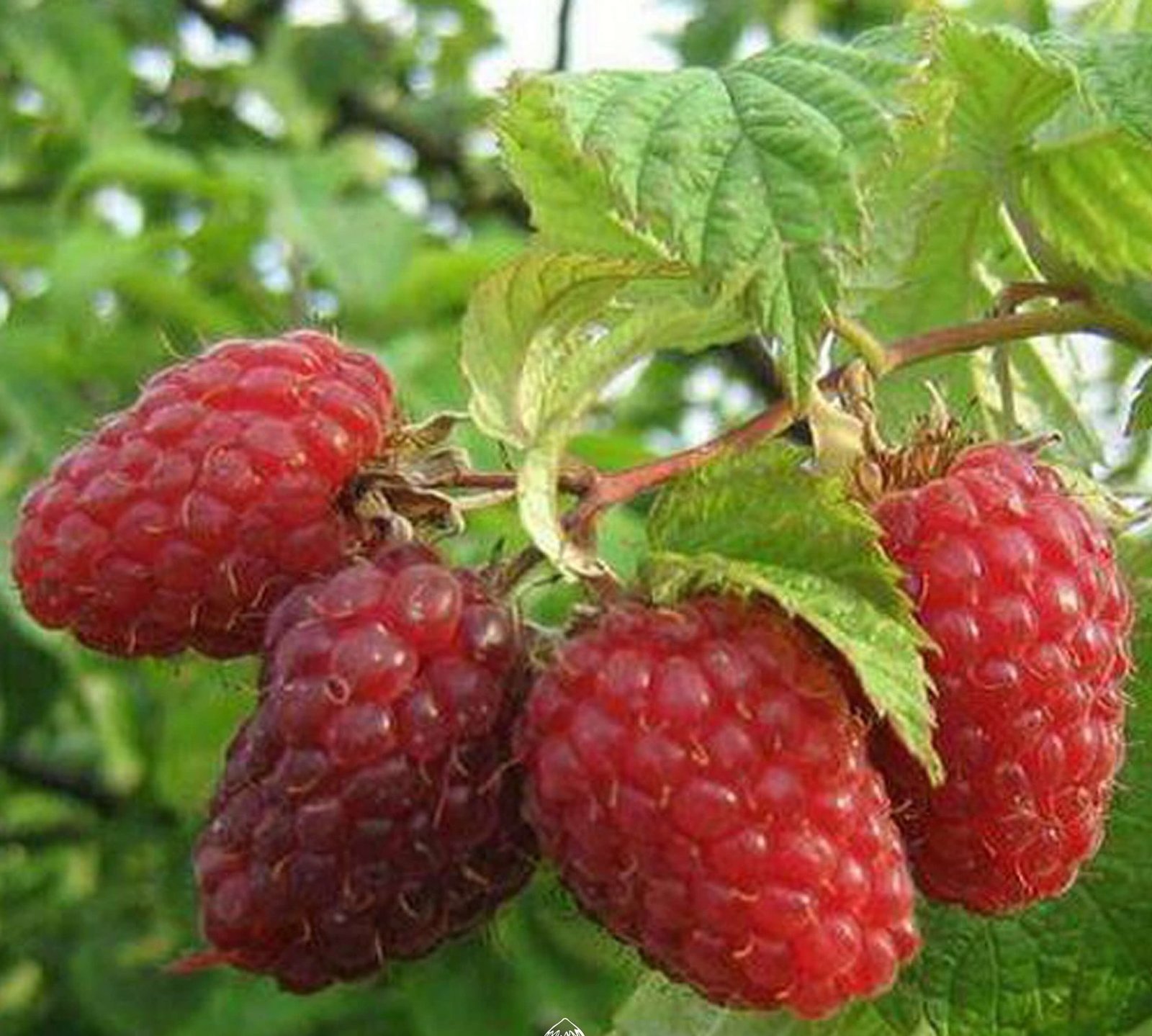
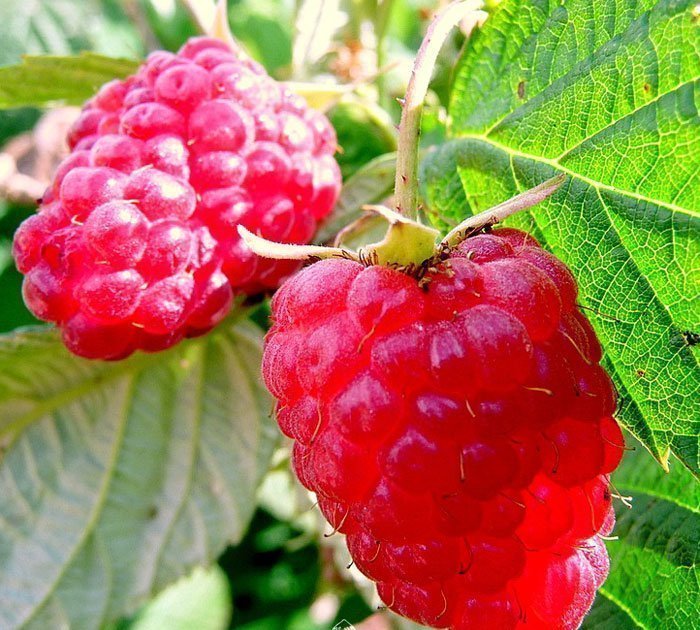
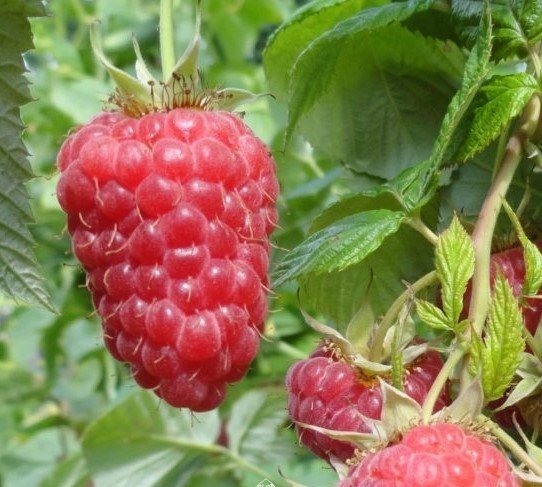
Red garden raspberry, or common raspberry (lat. Rubus idaeus).
Subshrub, species of the genus Rubus of the Rosaceae family. Deciduous subshrub with a perennial rhizome, from which biennial aboveground stems develop, 1.5–2.5 m high.
The rhizome is sinuous, woody, with multiple adventitious roots, forming a powerful branched system.
Stems are erect. The shoots of the first year are herbaceous, green with a bluish bloom, juicy, covered with thin, usually frequent miniature thorns. In the second year, the shoots become woody and turn brown; they dry out immediately after fruiting, but new stems grow from the same root the next year.
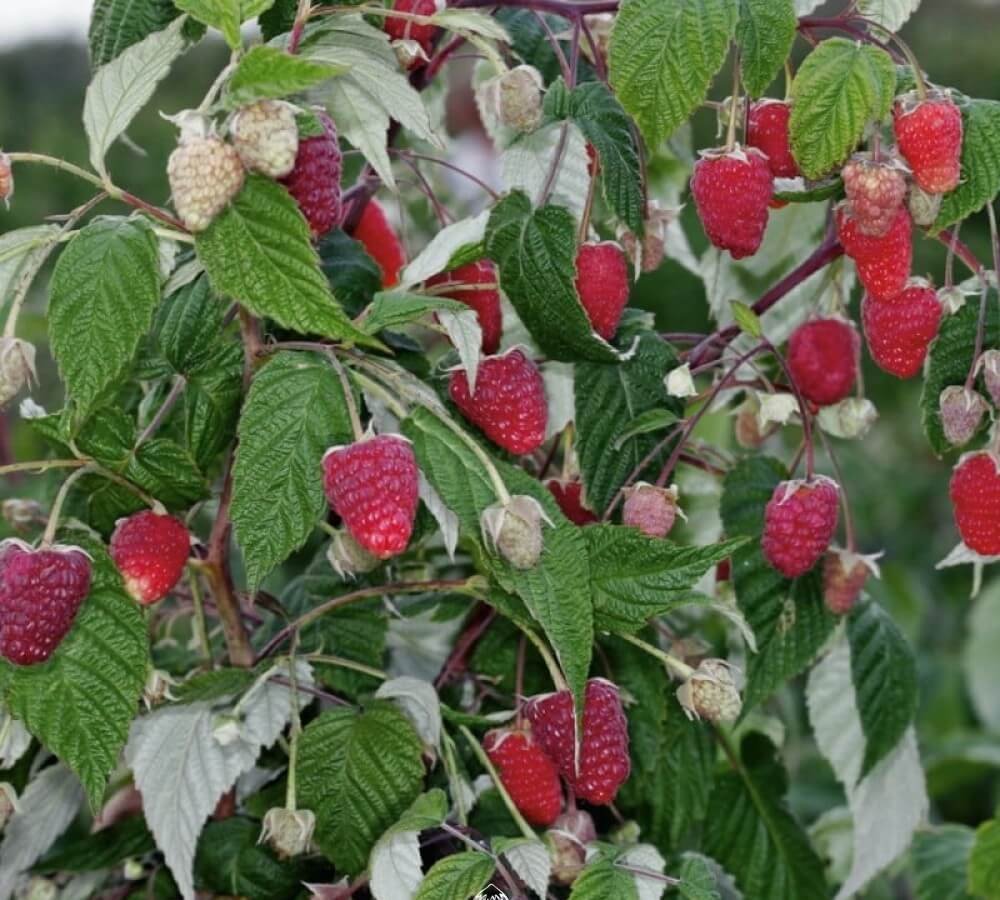
The leaves are oval, alternate, petiolate, compound, with 3-7 ovate leaflets, dark green above, whitish below, pubescent with small hairs.
The flowers are white, about 1 cm in diameter, collected in small racemes, located on the tops of the stems or in the axils of the leaves. The petals are shorter than the calyx lobes. It blooms from June to July, sometimes until August.
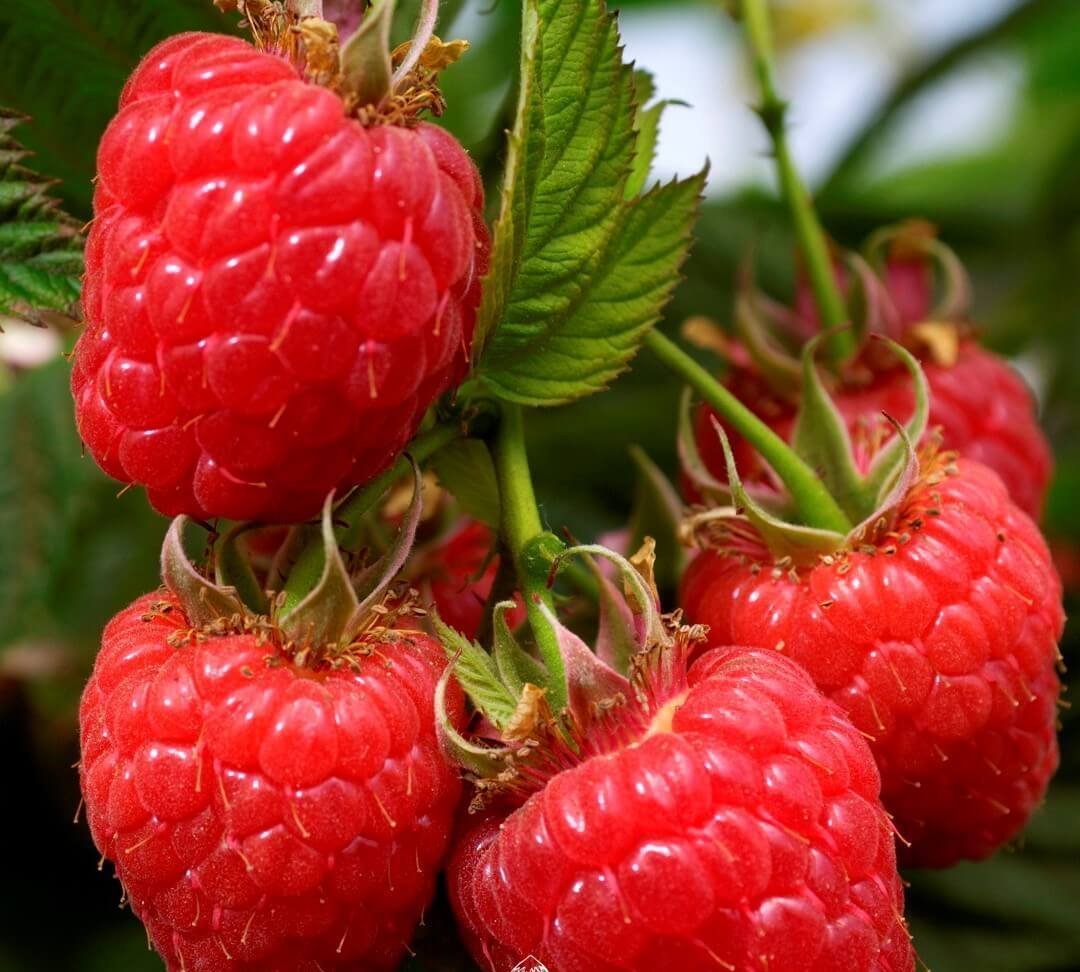
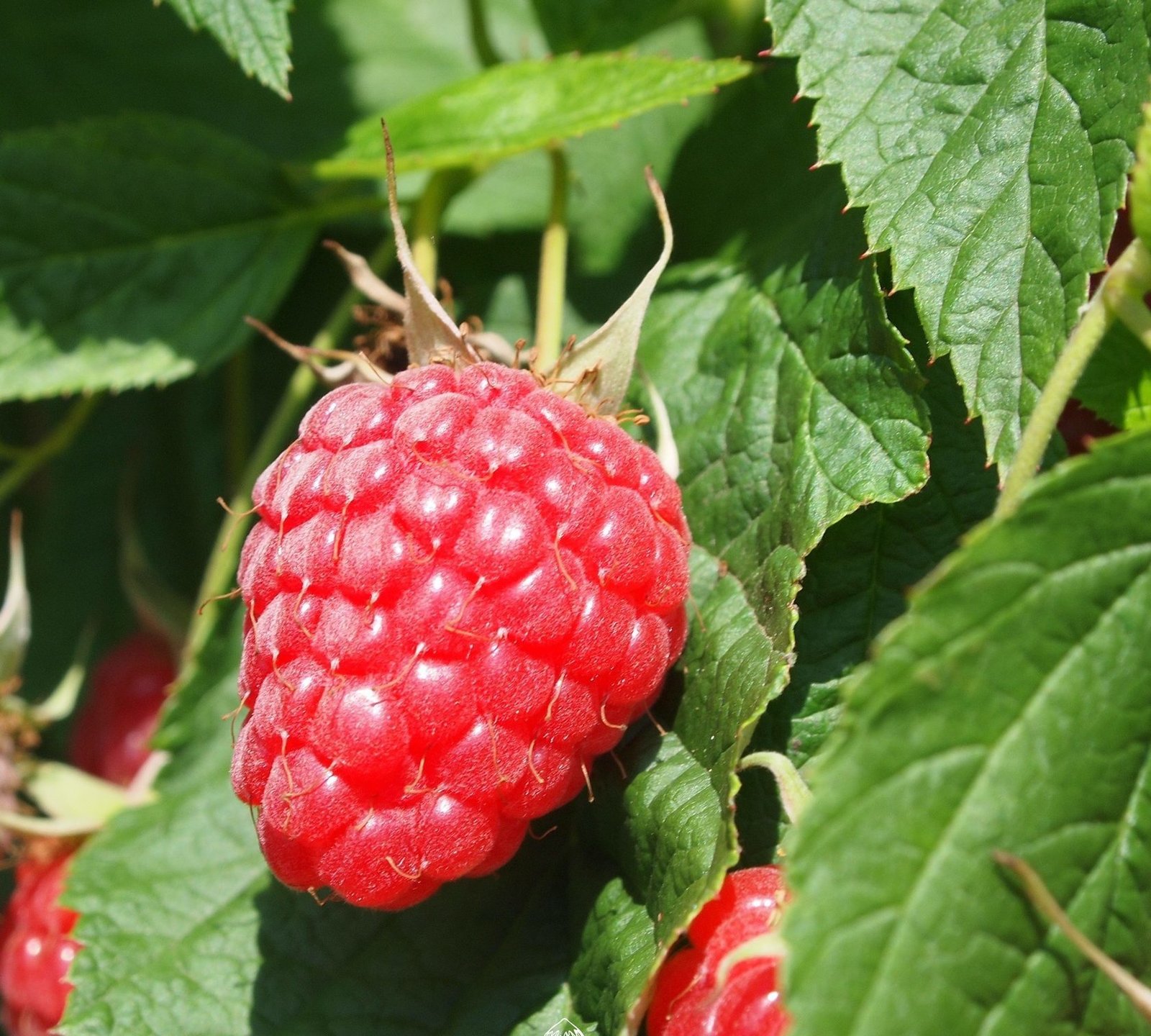
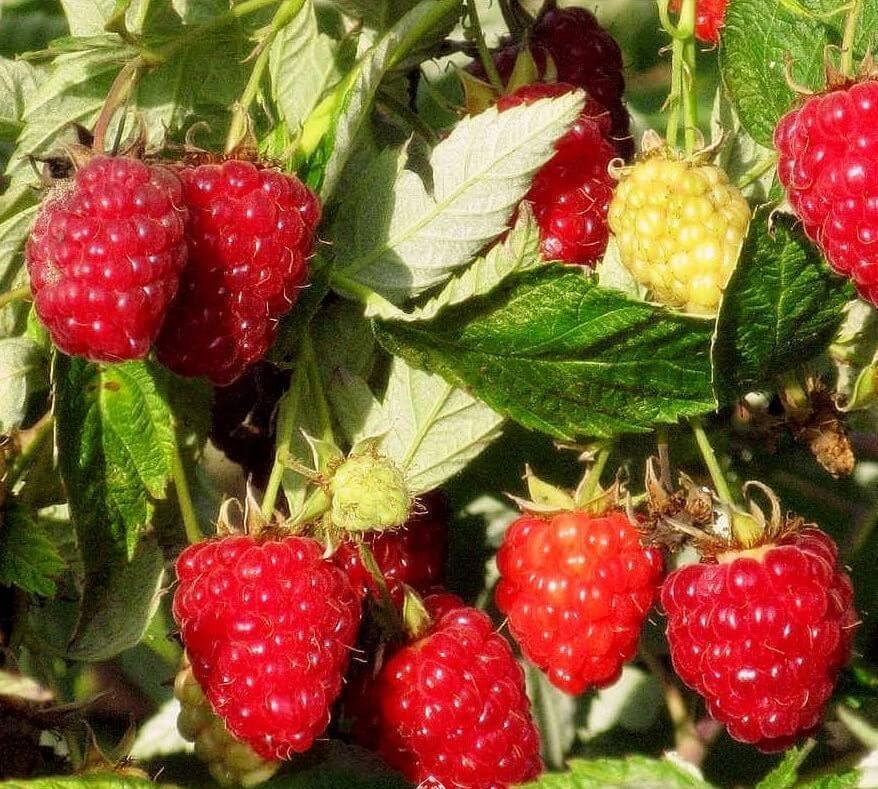
The fruits are hairy drupes fused on the receptacle into a complex fruit. The fruits are red. Fruits usually appear in the second year. In the first year, two flower buds are formed on the replacement shoots in the leaf axils, from which fruit branches grow in the second year. In the southern regions, fruits also appear on the shoots of the first year in mid-autumn.
Honey plant. Due to the fact that the raspberry flower is tilted down, the bee extracting nectar is as if under a natural canopy and can work even during light, warm rain.
It can grow in poor soil, but for abundant fruiting it needs fertile soil, preferably loamy soil.
USDA Hardiness Zone: 4 (-34°C to -29°C).
- USDA Zone
- 4
Instructions
- Growing Raspberry - Thornless Red Raspberry (Rubus idaeus) from seed is a rewarding process. Follow these guidelines for best results.
- Seed Preparation: Soak seeds in warm water for 12–24 hours before sowing to soften the seed coat. Discard any floating seeds as they are likely non-viable.
- Sowing: Sow seeds 0.5–1 cm deep in well-draining seed compost. Water gently and keep consistently moist but not waterlogged. Place in a bright location at 18–22°C.
- Germination: Seeds typically germinate in 2–8 weeks. Keep soil consistently moist during germination. Once seedlings emerge, gradually increase ventilation.
- Transplanting: Transplant seedlings into individual pots once they have 2–3 pairs of true leaves. Harden off gradually over 7–10 days before planting in final position. Space according to the mature size of the species.
- Aftercare: Water regularly during the first growing season. Apply a balanced fertilizer in spring. Mulch annually to retain moisture and suppress weeds. Prune as needed to maintain shape.
- Hardiness: Hardiness varies by species and growing conditions. Young plants may need protection from extreme temperatures. Acclimatize gradually to outdoor conditions.
Gallery
Growing Techniques
Fertilizing Seedlings and Plants
When and how to feed young plants for healthy growth.
Pruning and Thinning Seedlings
When and how to thin overcrowded seedlings for optimal growth.
Soaking Seeds Before Planting
Pre-soaking seeds in water to soften coats and speed up germination.
Transplanting Seedlings
How to safely move seedlings from pots to garden beds.
Watering Seeds and Seedlings
Proper watering techniques for seeds, seedlings and established plants.
Reviews 5/5 (1)
Write a Review
Questions & Answers
Q: What is the best way to store unused seeds?
A: Store seeds in sealed plastic bags or glass jars in the refrigerator. Label with the date and variety name. Avoid moisture and temperature fluctuations for maximum viability.
Q: Are these seeds organic?
A: Our seeds are sourced from reputable growers. Check the product description for organic certification details. All seeds are non-GMO and tested for viability.


