 Green Legacy Seeds
These seeds are now beautiful seedlings! The care instructions were very helpful.

Silver Birch Seeds for Planting
Betula pendula
From South Korea
International Shipping with Tracking Number
Processing Time: 3–7 business days.
Delivery: 10–25 business days.
Source Data
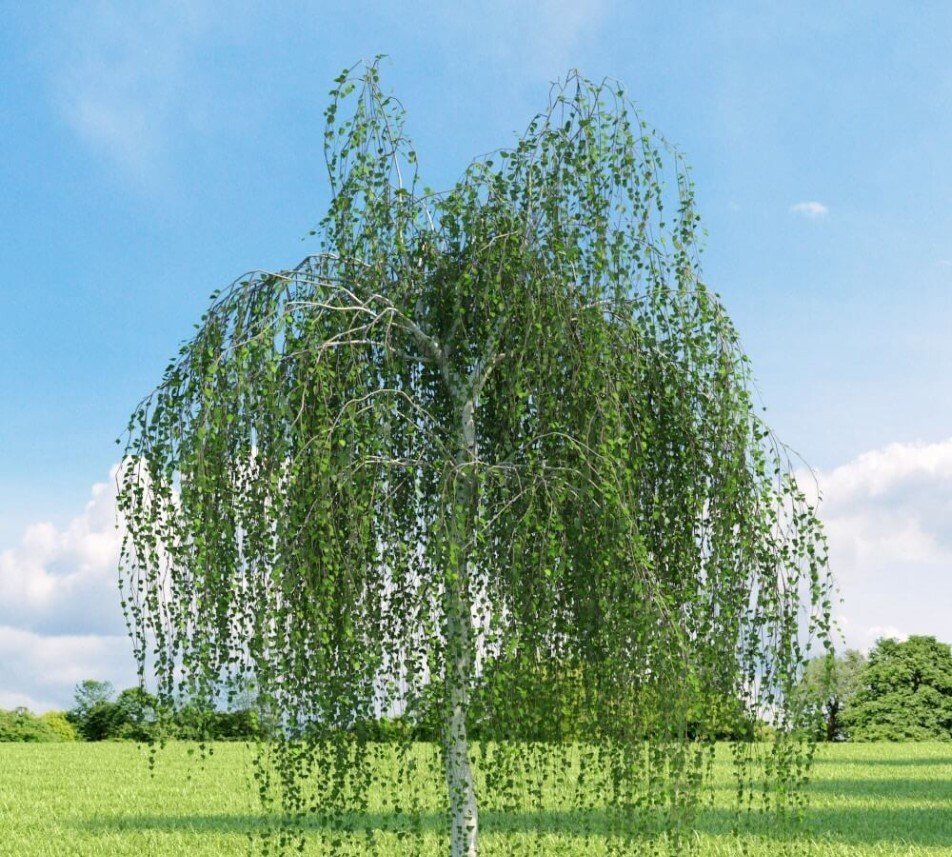
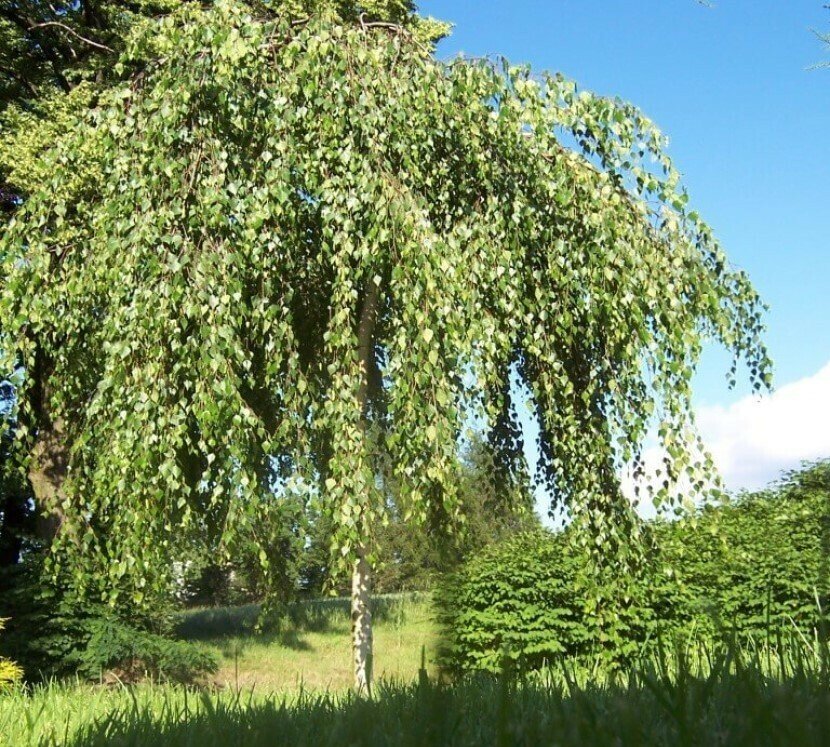
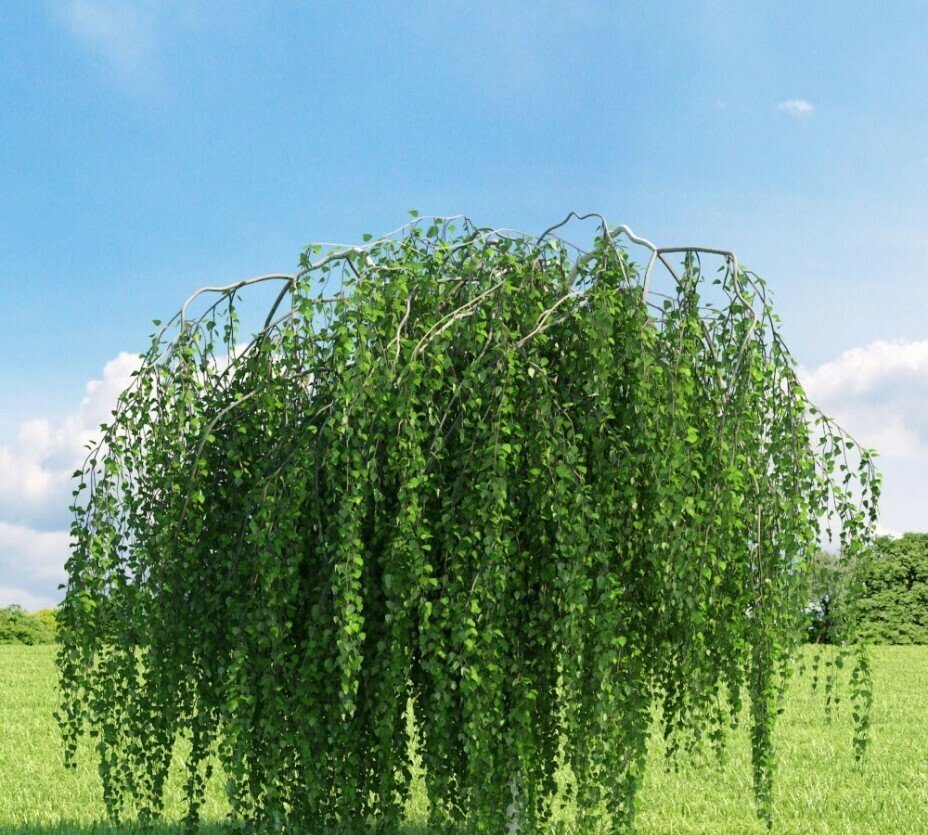
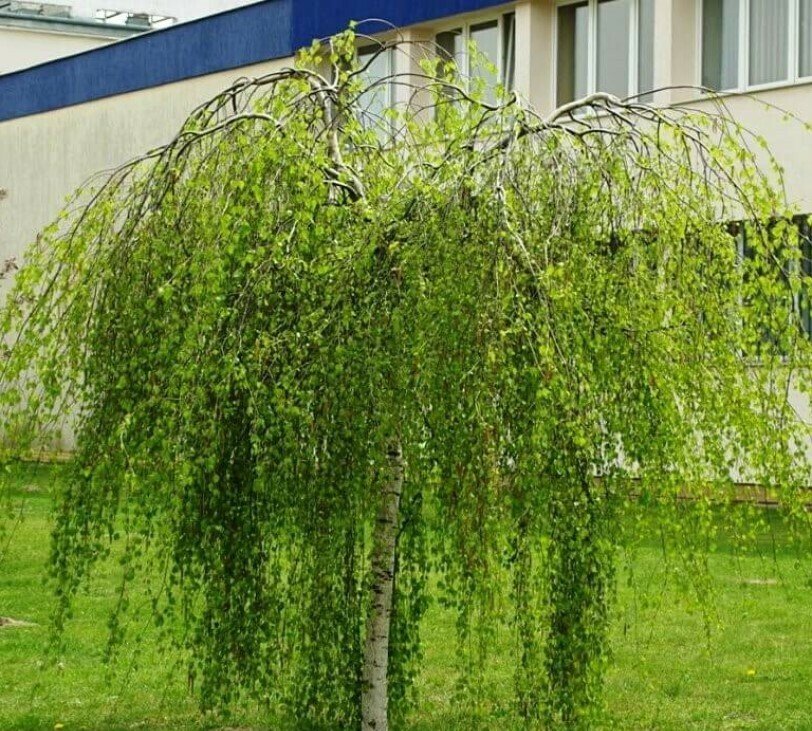
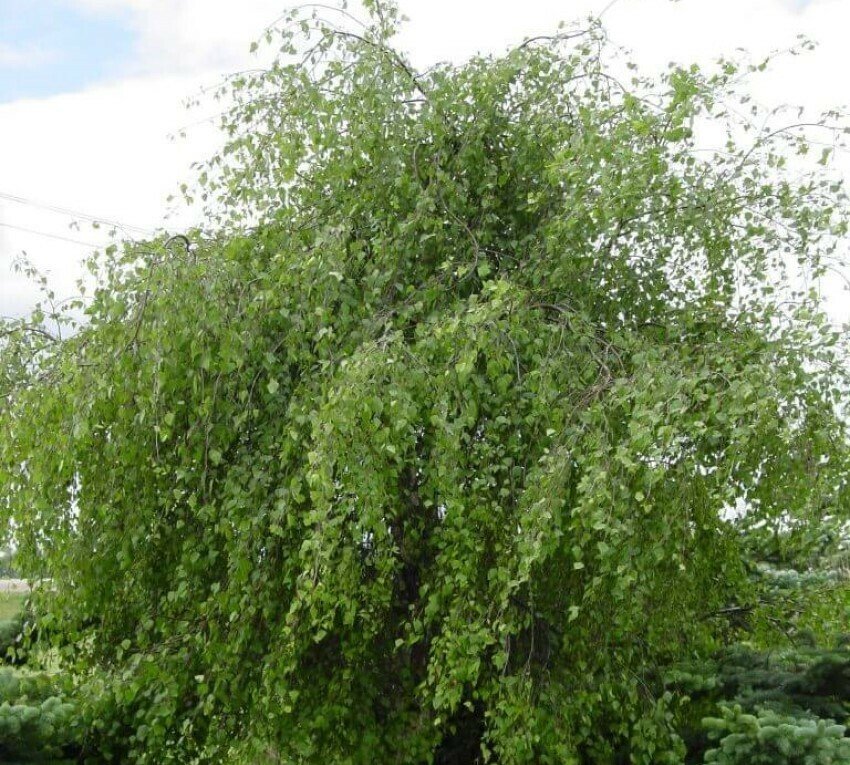
Silver birch (lat. Betula pendula), or warty birch (lat. Betula verrucosa), weeping birch, hanging birch.
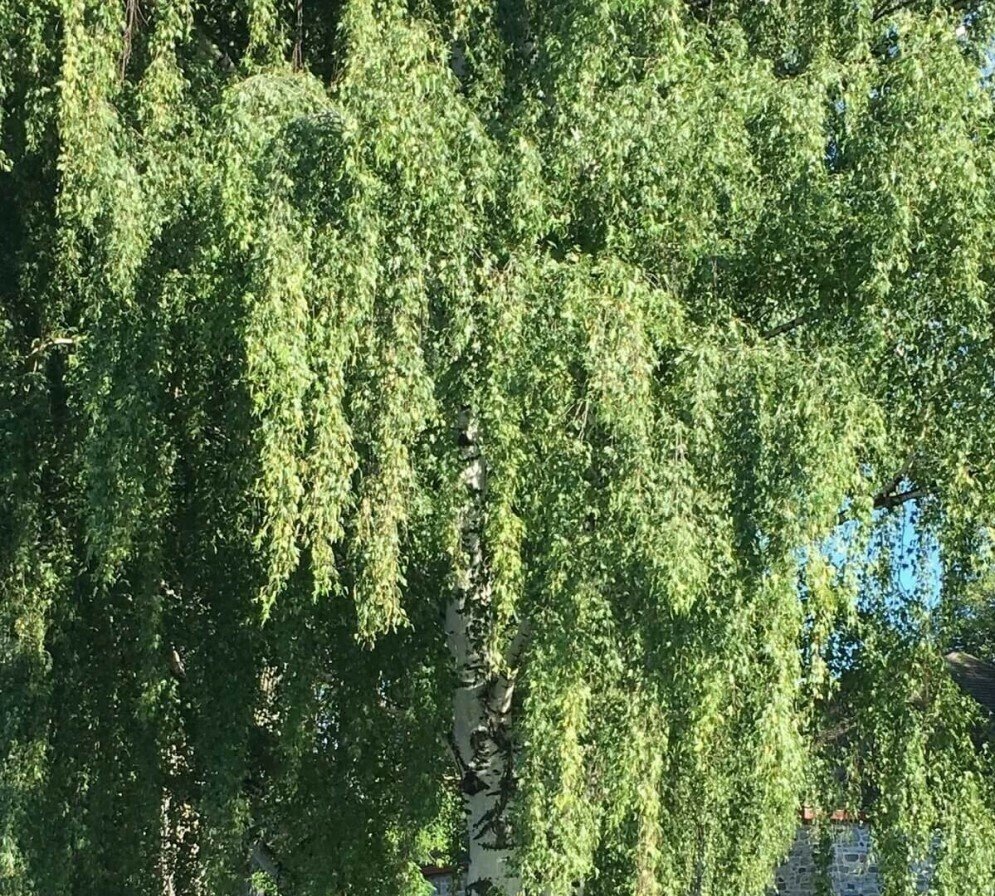
A species of plants of the genus Birch (Betula) of the Birch family (Betulaceae). In favorable conditions, silver birch can reach 30 meters in height. It has a well-developed root system, but it is not very deep. Therefore, the tree suffers greatly from strong winds.
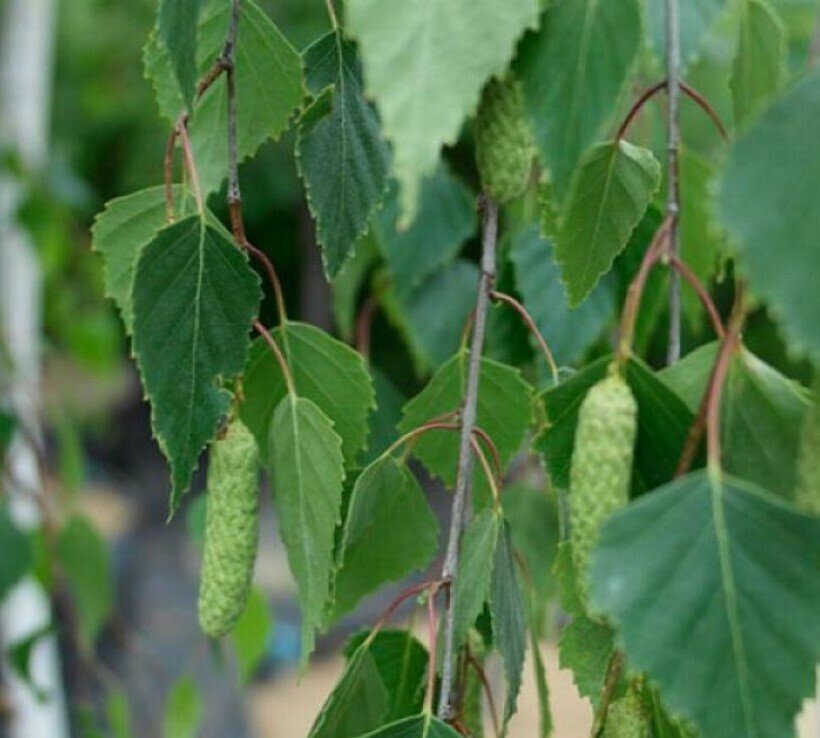
Young trees are very similar to alder, but with age they acquire the features of birch. The leaves are small, but they create a beautiful crown with branches hanging down.
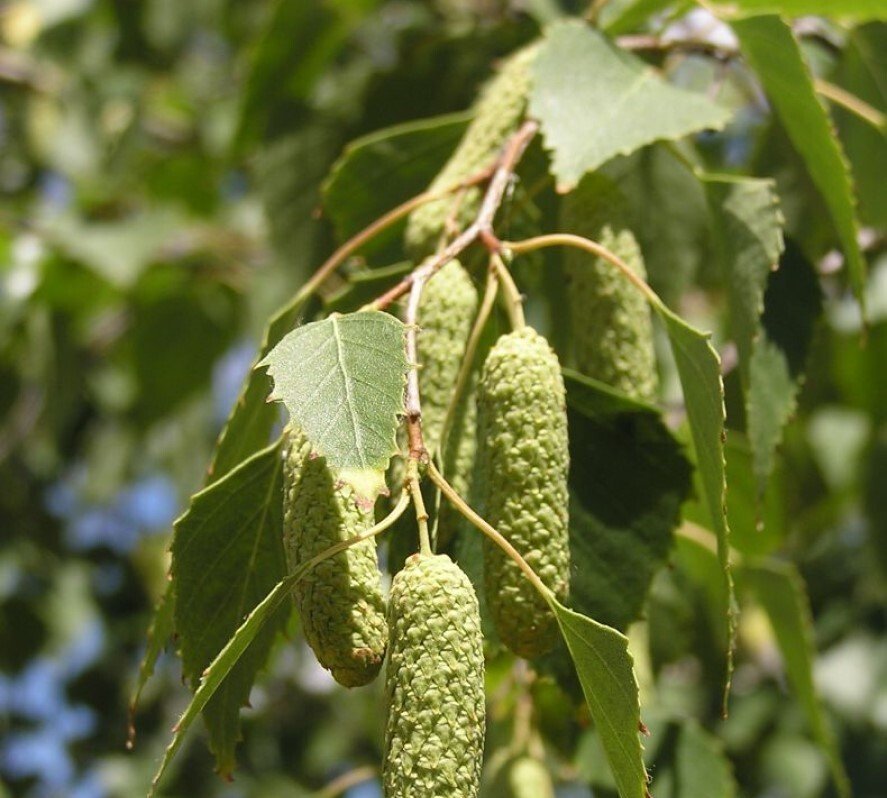
During flowering, the birch tree throws out small catkins, which are the seeds. They ripen towards the end of summer, when the dense green catkin dries out and turns into dry small leaves. Birch is a light-loving tree species and grows in temperate climates. The peculiarities of the root system require constant watering.
Birch has a high mycorrhiza-forming ability; it prepares the soil well for other woody plants. It can grow on any soil. Very light-loving and drought-resistant.
USDA Hardiness Zone: 2 (-45°C to -40°C).
- USDA Zone
- 2
- Mature Size
- reach 30 m
Instructions
- Growing silver birch - European birch (Betula pendula) from seed is a rewarding process. Follow these guidelines for best results.
- Seed Preparation: Cold stratification is required. Place seeds in moist sand or vermiculite in a sealed bag and refrigerate at 1–5°C for 4–8 weeks before sowing. Some species may require 60–90 days of cold stratification for optimal germination.
- Sowing: Sow seeds 0.5–1 cm deep in well-draining seed compost. Water gently and keep consistently moist but not waterlogged. Place in a bright location at 18–22°C.
- Germination: Seeds typically germinate in 2–12 weeks after stratification. Germination may be sporadic — do not discard pots if no seedlings appear within the expected timeframe.
- Transplanting: Transplant seedlings into individual pots once they have 2–3 pairs of true leaves. Harden off gradually over 7–10 days before planting in final position. Space according to the mature size of the species.
- Aftercare: Water regularly during the first growing season. Apply a balanced fertilizer in spring. Mulch annually to retain moisture and suppress weeds. Prune as needed to maintain shape.
- Hardiness: Hardy in most temperate climates. Suitable for USDA zones 4–8 depending on species. Established plants can tolerate winter temperatures well below freezing.
Gallery
Growing Techniques
Cold Stratification
A cold treatment that mimics winter to break seed dormancy. Required for many deciduous trees and perennials.
Fertilizing Seedlings and Plants
When and how to feed young plants for healthy growth.
Pruning and Thinning Seedlings
When and how to thin overcrowded seedlings for optimal growth.
Transplanting Seedlings
How to safely move seedlings from pots to garden beds.
Watering Seeds and Seedlings
Proper watering techniques for seeds, seedlings and established plants.
Reviews 5/5 (2)
Seeds arrived well packaged and fresh. Followed the stratification instructions and got great results.
Write a Review
Questions & Answers
Q: How long can I store these seeds before planting?
A: When stored in a cool, dry place (refrigerator recommended), these seeds can remain viable for 2-3 years. Keep them in an airtight container with a desiccant packet for best results.
Q: How deep should I plant these seeds?
A: General rule: plant at 2-3 times the seed diameter depth. Small seeds need light to germinate (surface sow). Large seeds can be planted deeper. See product instructions for specifics.
Ask a Question
Related Products

Mountain Hawthorn Seeds for Planting
Crataegus pinnatifida
Seeds for Planting
From South Korea

Azarole Hawthorn Seeds for Planting
Crataegus azarolus
Seeds for Planting
From South Korea
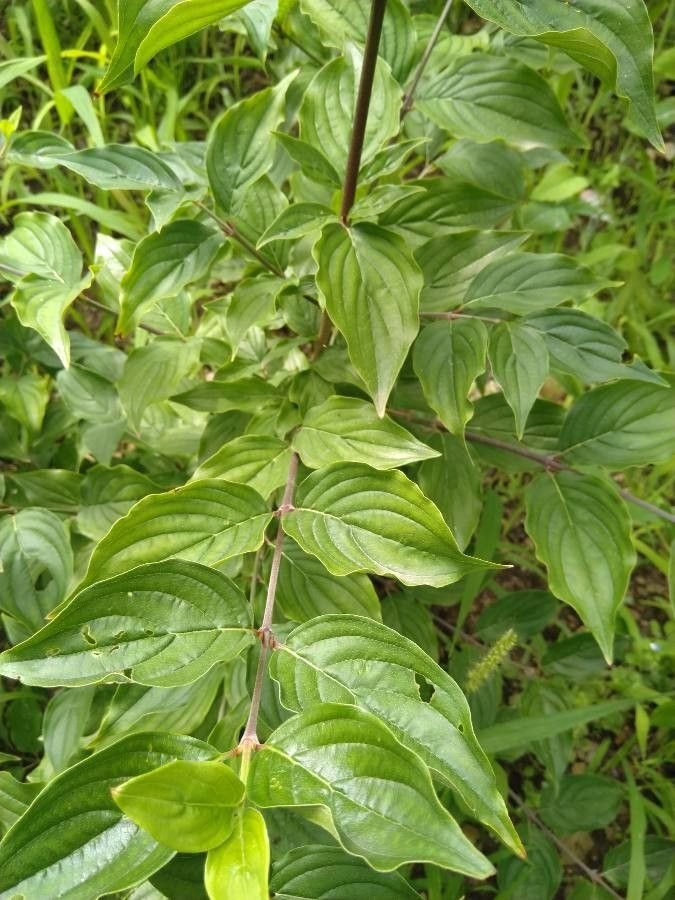
Japanese Cornel Dogwood Seeds for Planting
Cornus officinalis Siebold & Zucc
Seeds for Planting
From South Korea
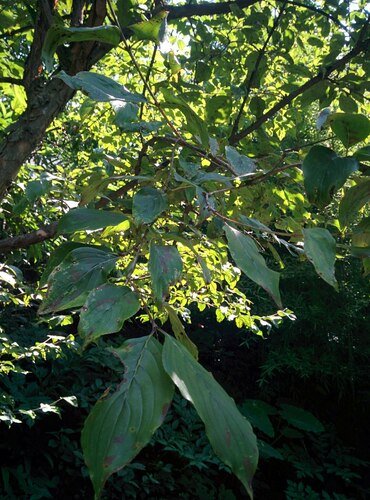
Cornelian Cherry Seeds for Planting
Cornus officinalis
Seeds for Planting
From South Korea