
Common Fig / Fig Tree

Common Fig / Fig Tree

Ficus carica

India

$12.00 ● In Stock

Source Data

Ficus carica fresh seeds, Seeds of Southern black figs from Russia, Fig tree, Black figs seeds, Fruit seeds, Exotic seeds, Non GMO (lat. Ficus carica).

Subtropical deciduous plant of the genus Ficus of the Mulberry family. A tree with light gray, smooth bark. The leaves are large, alternate, 3-5-7-palmately lobed or separate, rigid, with falling stipules. In the axils of the leaves, shortened generative shoots develop, bearing inflorescences of two types - caprifigs and figs (syconium).

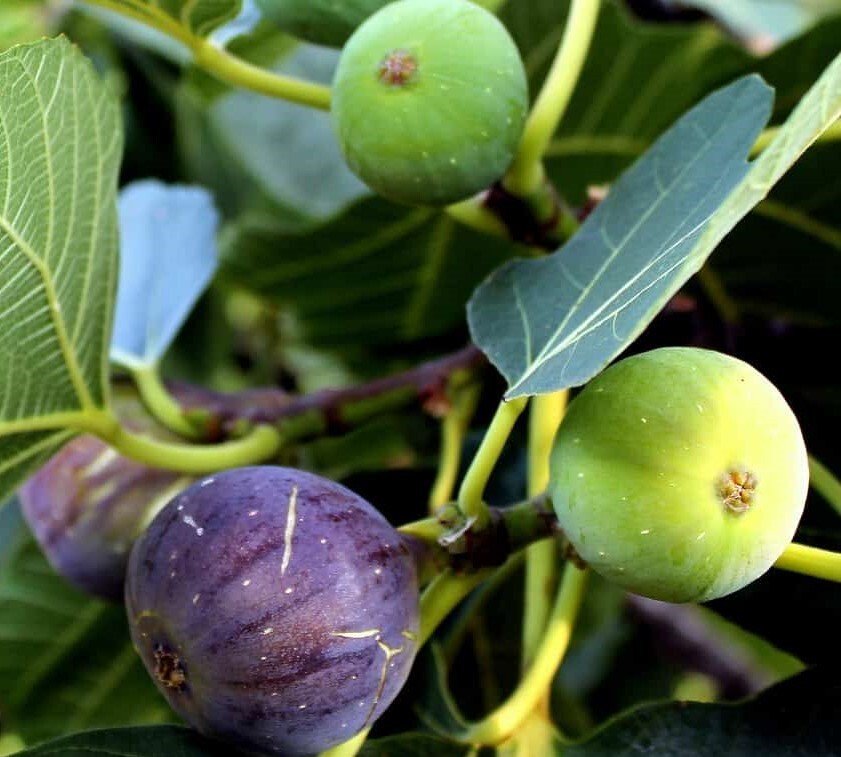
Figs turn into juicy, sweet, pear-shaped fruit with seeds inside. They are covered with a thin skin with fine hairs. At the top there is a hole - eye, covered with scales.

It is a self-fertile variety, bearing fruit twice a season. It has round, sweet fruits with a black-purple skin.
Instructions

  1. Growing Common Fig / Fig Tree (Ficus carica) from seed is a rewarding process. Follow these guidelines for best results.
  2. Seed Preparation: Soak seeds in warm water for 24–48 hours before sowing to soften the seed coat and improve germination rates. Change water after 24 hours.
  3. Sowing: Sow seeds 1 cm deep in a well-draining seed compost. Maintain high humidity with a propagator or clear plastic bag. Place in a warm, bright location at 18–22°C.
  4. Germination: Seeds typically germinate in 2–8 weeks. Keep soil consistently moist during germination. Once seedlings emerge, gradually increase ventilation.
  5. Transplanting: Transplant seedlings into individual pots once they have 2–3 pairs of true leaves. Harden off gradually over 7–10 days before planting in final position. Space according to the mature size of the species.
  6. Aftercare: Protect from frost and cold drafts. Maintain high humidity by misting regularly. Fertilize monthly during the growing season with a balanced liquid fertilizer. Bring indoors if temperatures drop below 10°C.
  7. Hardiness: Not frost hardy. Overwinter indoors or in a heated greenhouse. Suitable for USDA zones 9–11 or as a container plant in cooler climates.

Gallery

Reviews

No reviews yet. Be the first to review!

Write a Review

Questions & Answers

No questions yet. Ask the first!

Ask a Question