 Green Legacy Seeds
Water wild pink lotus
Nelumbo nucifera

Crambe tataria
India
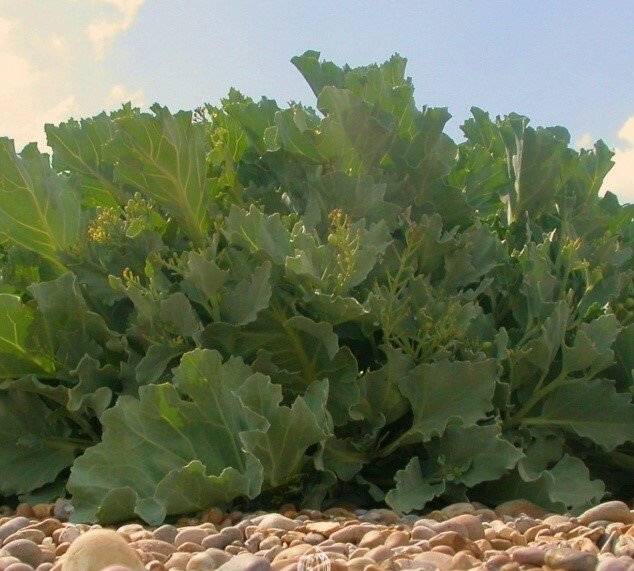
Perennial herbaceous plant of the Cabbage family (like horseradish), 50-70 cm high, with a thick (up to 7-10 cm) cylindrical root with white flesh.
Forms a rosette of leaves raised. The flowers are white, small (up to 1 cm in diameter), but numerous.
A two-to three-year-old crop grown as an improved horseradish analog.
It is also grown in an annual crop to produce a full-fledged root crop.
Katran roots are richer in chemical composition and taste, as well as more technologically advanced in processing (the root does not branch).
The very name of the genus in Turkish means "resinous torch", this is due to the fact that it burns well. This property is due to the significant content of essential oils in it. In addition, Katran is rich in sugar, vitamins B, C and PP, and minerals.
Buy seeds, plant – Katran (Tatar horseradish) accord, or seaside Katran (Crambe tataria)
Katran Accord
The variety is recommended for use in fresh and processed form, both roots and leaves. In addition, along with the root, its young leaves are successfully used in vegetable salads, as an analogue of asparagus.
The leaves are large in size, tender, juicy, without pubescence. The root crop is cylindrical, straight, smooth, weighing 150-250 g.
The flesh is white, dense, with a taste and aroma like horseradish.
Katran in care is unpretentious, frost-resistant, in addition to weeding, the rows are loosened and fertilized, pests and diseases are fought as well as with cabbage.
Prefers well-structured, fertile soil.
Katrana is harvested in October, usually for 2-3 years (you can also use annual roots if they are well formed).
The average yield is 3.9 kg/m2.
Katran is tastier than horseradish, more productive and, most importantly, does not clog the site.
It is also important that Katran is an ornamental plant and has been actively used recently by landscape designers in flower arrangements.
No reviews yet. Be the first to review!
No questions yet. Ask the first!

