 Green Legacy Seeds
Water wild pink lotus
Nelumbo nucifera

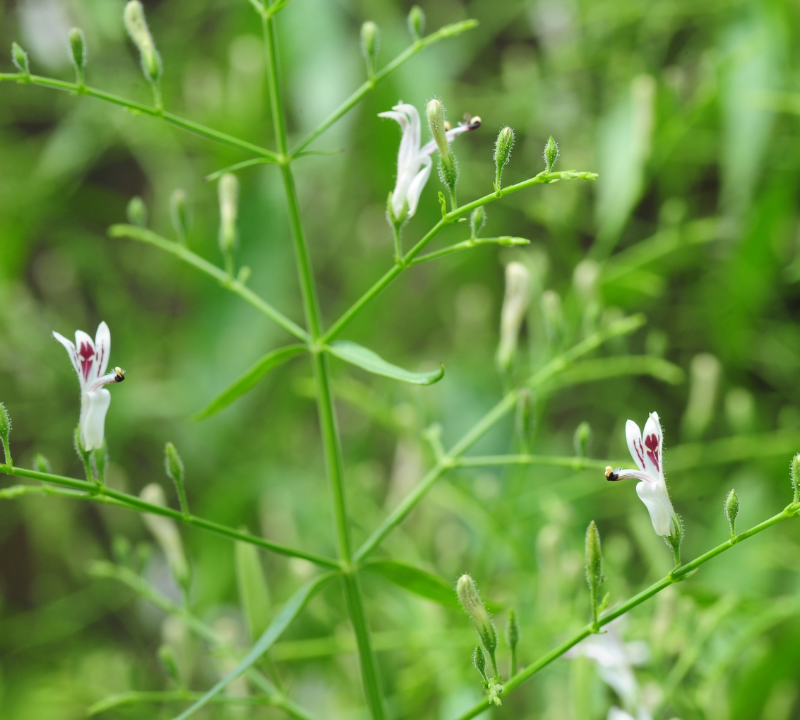
Andrographis paniculata
India
This product is currently out of stock. Leave your email and we'll notify you when it's back.
Manchurian walnut, or Dumbey walnut (lat. Juglans mandshurica).
A species of deciduous monoecious trees or shrubs of the genus Walnut of the Walnut family (Juglandaceae). Plant height reaches 25-28m. The trunk is smooth, straight, with a spreading or wide-rounded openwork crown, reminiscent of the crown of some types of palm trees. The trunk diameter reaches 60-75 cm, sometimes 100 cm. The bark is dark gray, the shoots are yellowish-brown, pubescent.
The leaf blade is serrated, rarely finely toothed, its apex is pointed, the abaxial side is pubescent.
The flowers are small, unisexual, appearing simultaneously with the blossoming of the leaves. Blooms in April - May.
The fruits are drupe-shaped, oval, reminiscent of a walnut, but smaller (3-7.5 cm) and have a very thick green or brownish shell. The seed kernel is oily, by weight it makes up 15-19% of the endocarp weight, is difficult to extract, and is edible.
The fruits ripen in August - October and quickly fall to the ground entirely with the pericarp opening.
Lives up to 250 years. It grows rapidly until the age of 80-90, then growth stops.
Light-loving, but can also grow in the shade. Prefers fertile, moist, loose soils and is sensitive to lack of soil and atmospheric moisture.
USDA Hardiness Zone: 3 (-40°C to -34°C). Winter-hardy, tolerates frosts down to at least −45 °C.
No reviews yet. Be the first to review!
No questions yet. Ask the first!

