 Green Legacy Seeds
Great vegetable seeds! High germination rate and healthy plants.
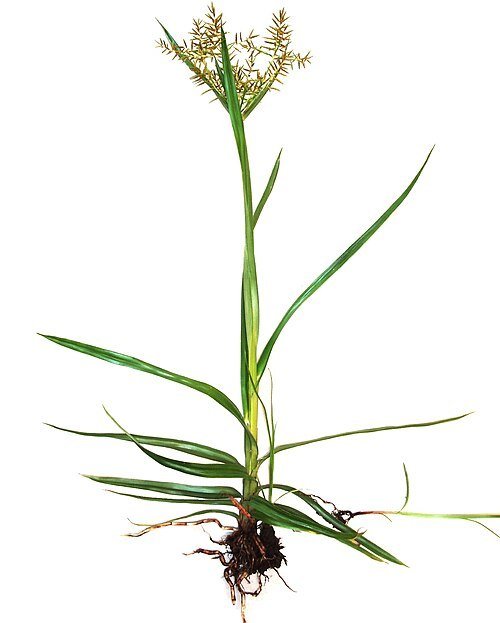
Peanut Seeds for Planting
Cyprus esculentus
From Thailand
International Shipping with Tracking Number
Processing Time: 3–7 business days.
Delivery: 10–25 business days.
Source Data
Cyperus esculentus fresh seeds, Chufa seeds, Tiger nut seeds, Atadwe, Yellow nutsedge, Earth almond, Nuts, Organic seeds, Non GMO (lat. Cyperus esculentus)
A perennial herbaceous plant of the Sedge family (Cyperaceae), cultivated as a food plant because of the edible nodules on the roots. A perennial plant, cultivated as an annual, 30-90 cm high.
This nut grows in the Northern hemisphere from temperate to subtropical climate. Although the plant belongs to the perennial in cultivated form, it grows for only a year. After the tubers ripen, they are dug out and the plant dies. Ground almonds are a very tasty nut, with a high content of fats, proteins and sugar.
The nut tastes very sweet with a pronounced nutty taste. Before use, the nut can be lightly fried, although with proper drying it can be eaten like this. The nut tubers are very hard, so they must be soaked before use.
Chufa is undemanding to the soil, but gives the best yield on fertile loose soils, prefers sunny places and moderate watering, grows worse on waterlogged soils.
Instructions
- Growing Tiger selected peanut stripped (Cyprus esculentus) from seed is a rewarding process. Follow these guidelines for best results.
- Seed Preparation: Scarify the seed coat by nicking with a knife or rubbing with sandpaper, then soak in warm water for 12–24 hours before sowing.
- Sowing: Sow seeds 0.5–1 cm deep in well-draining seed compost. Water gently and keep consistently moist but not waterlogged. Place in a bright location at 18–22°C.
- Germination: Seeds germinate quickly in 5–14 days once scarified and sown. Seedlings grow rapidly. Provide full sun after germination.
- Transplanting: Transplant seedlings into individual pots once they have 2–3 pairs of true leaves. Harden off gradually over 7–10 days before planting in final position. Space according to the mature size of the species.
- Aftercare: Water regularly during the first growing season. Apply a balanced fertilizer in spring. Mulch annually to retain moisture and suppress weeds. Prune as needed to maintain shape.
- Hardiness: Hardiness varies by species and growing conditions. Young plants may need protection from extreme temperatures. Acclimatize gradually to outdoor conditions.
Gallery
Growing Techniques
Fertilizing Seedlings and Plants
When and how to feed young plants for healthy growth.
Mechanical Scarification
Breaking hard seed coats with sandpaper, files, or nicking to improve water absorption.
Pruning and Thinning Seedlings
When and how to thin overcrowded seedlings for optimal growth.
Soaking Seeds Before Planting
Pre-soaking seeds in water to soften coats and speed up germination.
Transplanting Seedlings
How to safely move seedlings from pots to garden beds.
Watering Seeds and Seedlings
Proper watering techniques for seeds, seedlings and established plants.
Reviews 4.5/5 (2)
Seeds arrived quickly and germinated well. Good value for money.
Write a Review
Questions & Answers
Q: My seeds did not germinate. What went wrong?
A: Common causes include: soil too cold, too wet or too dry, seeds planted too deep, or old seeds. Try the paper towel test to check viability. Contact us if you need replacement seeds.
Q: What is the best way to store unused seeds?
A: Store seeds in sealed plastic bags or glass jars in the refrigerator. Label with the date and variety name. Avoid moisture and temperature fluctuations for maximum viability.
Ask a Question
Related Products

Butternut Squash Seeds for Planting
Cucurbita moschata
Seeds for Planting
From South Korea
Purple Korean Corn Seeds for Planting
Zea mays
Seeds for Planting
From South Korea

Sesame Seeds for Planting
Sesamus indicum
Seeds for Planting
From India

Pecan Seeds for Planting
Carya illinoinensis
Seeds for Planting
From India