 Green Legacy Seeds
Albizia Saman Seeds for Planting
Samanea saman
Seeds for Planting
From India
Mechanical scarification is the process of physically breaking or weakening a seed's hard outer coat to allow water absorption and gas exchange. Many seeds have evolved extremely tough coatings that prevent germination until the coat is damaged ΓÇö naturally achieved through animal digestion, freeze-thaw cycles, or abrasion.
Seeds with hard, impermeable coats often require scarification:
Once scarified, seeds should be planted immediately. The scarified coat will begin absorbing water within hours. Soaking in room-temperature water for 12-24 hours after scarification can speed germination further.
Place scarified seeds in a glass of room-temperature water. Seeds that absorb water and swell within 24 hours are properly scarified. Seeds that remain hard and unchanged may need additional scarification.
Samanea saman
Seeds for Planting
From India

Rosa villosa
Seeds for Planting
From Unknown

Vachellia nilotica
Seeds for Planting
From India

Tax╨╛dium distichum
Seeds for Planting
From South Korea

Senegalia catechu
Seeds for Planting
From India
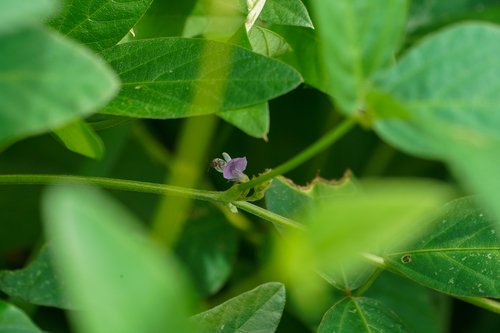
Glycine max
Seeds for Planting
From India

Cicer arietinum
Seeds for Planting
From India
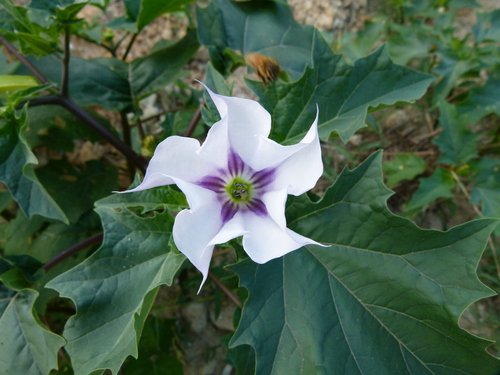
Ricinus communis
Seeds for Planting
From India

Cassia fistula
Seeds for Planting
From India

Fragaria viridis
Seeds for Planting
From Eurasia

Lawsonia inermis
Seeds for Planting
From India

Phaseolus lunatus
Seeds for Planting
From South Korea

Caesalpinia pulcherrima
Seeds for Planting
From India
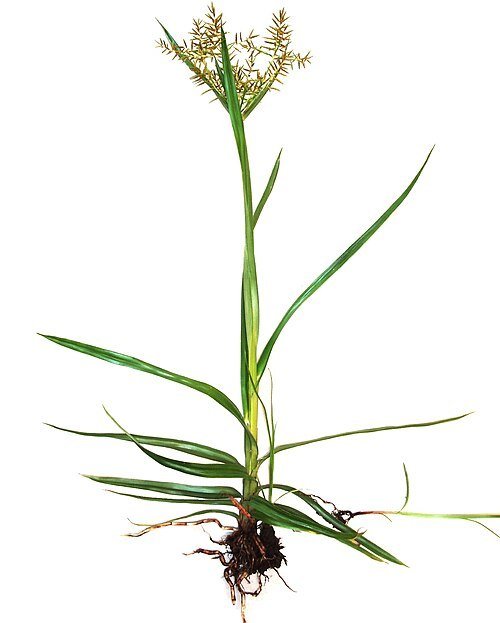
Cyprus esculentus
Seeds for Planting
From Thailand

Polygonum orientale
Seeds for Planting
From India

Albizia richardiana
Seeds for Planting
From India

Tamarindus indica
Seeds for Planting
From Thailand

mimosa pudica
Seeds for Planting
From India

Indigofera tinctoria
Seeds for Planting
From South Korea

Mucuna pruriens
Seeds for Planting
From India

Nelumbo nucifera
Seeds for Planting
From India

Leucaena leucocephala
Seeds for Planting
From India