 Green Legacy Seeds
Perfect for my garden. Clear instructions and fast delivery.

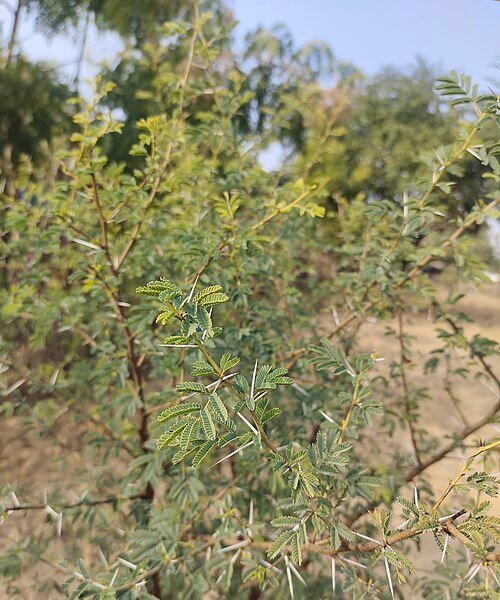
Babul Tree Seeds for Planting
Vachellia nilotica
From India
International Shipping with Tracking Number
Processing Time: 3–7 business days.
Delivery: 10–25 business days.
Source Data
Arnold's hawthorn (lat. Crataegus Arnoldiana)
A perennial, deciduous tree, up to 6 m high. It is grown for decorative purposes and for producing berries. The bark, flowers and berries have medicinal properties. The crown of the tree is up to 5 meters wide, wide, asymmetrical, transparent, and has zigzag branches. The spines of this variety reach 9 cm in length, which is significantly longer than those of most other varieties.
The leaves of the tree are wide, ovoid, with jagged edges. In autumn, the foliage changes color from bright green to yellow or purple-yellow.
The fruits are large, 2–3 cm in diameter. The pulp is juicy, sweet and sour taste. Each fruit contains 3–4 seeds.
Ripening occurs in September and blooms in May.
Prefers moist, relatively rich and well-drained soil, but tolerates poor soil.
USDA Hardiness Zone: 4 (-29°C to -34°C).
- USDA Zone
- 4
Instructions
- Growing Babul Tree / Egyptian Thorn / Thorny Acacia (Vachellia nilotica) from seed is a rewarding process. Follow these guidelines for best results.
- Seed Preparation: Scarify the seed coat by nicking with a knife or rubbing with sandpaper, then soak in warm water for 12–24 hours before sowing.
- Sowing: Sow seeds 0.5–1 cm deep in well-draining seed compost. Water gently and keep consistently moist but not waterlogged. Place in a bright location at 18–22°C.
- Germination: Seeds germinate quickly in 5–14 days once scarified and sown. Seedlings grow rapidly. Provide full sun after germination.
- Transplanting: Transplant seedlings into individual pots once they have 2–3 pairs of true leaves. Harden off gradually over 7–10 days before planting in final position. Space according to the mature size of the species.
- Aftercare: Water regularly during the first growing season. Apply a balanced fertilizer in spring. Mulch annually to retain moisture and suppress weeds. Prune as needed to maintain shape.
- Hardiness: Hardiness varies by species and growing conditions. Young plants may need protection from extreme temperatures. Acclimatize gradually to outdoor conditions.
Gallery
Growing Techniques
Fertilizing Seedlings and Plants
When and how to feed young plants for healthy growth.
Mechanical Scarification
Breaking hard seed coats with sandpaper, files, or nicking to improve water absorption.
Pruning and Thinning Seedlings
When and how to thin overcrowded seedlings for optimal growth.
Soaking Seeds Before Planting
Pre-soaking seeds in water to soften coats and speed up germination.
Transplanting Seedlings
How to safely move seedlings from pots to garden beds.
Watering Seeds and Seedlings
Proper watering techniques for seeds, seedlings and established plants.
Reviews 5/5 (2)
Perfect for my garden. Clear instructions and fast delivery.
Write a Review
Questions & Answers
Q: When should I fertilize these plants?
A: Begin fertilizing once true leaves appear, using a diluted liquid fertilizer at quarter strength. Feed every 2-4 weeks during the growing season. Reduce in winter.
Ask a Question
Related Products

Mountain Hawthorn Seeds for Planting
Crataegus pinnatifida
Seeds for Planting
From South Korea

Azarole Hawthorn Seeds for Planting
Crataegus azarolus
Seeds for Planting
From South Korea

Silver Birch Seeds for Planting
Betula pendula
Seeds for Planting
From South Korea
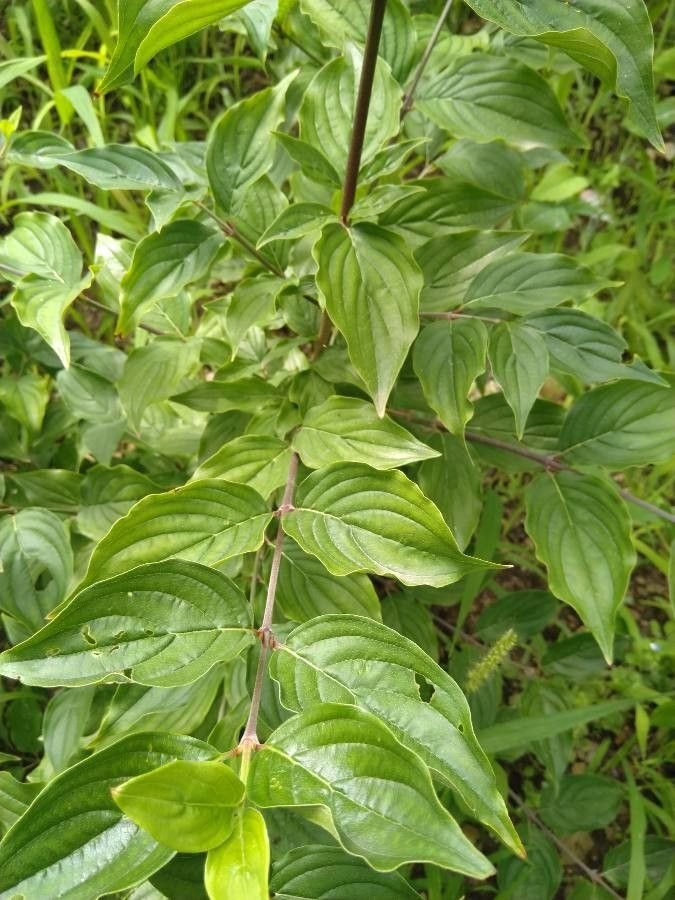
Japanese Cornel Dogwood Seeds for Planting
Cornus officinalis Siebold & Zucc
Seeds for Planting
From South Korea